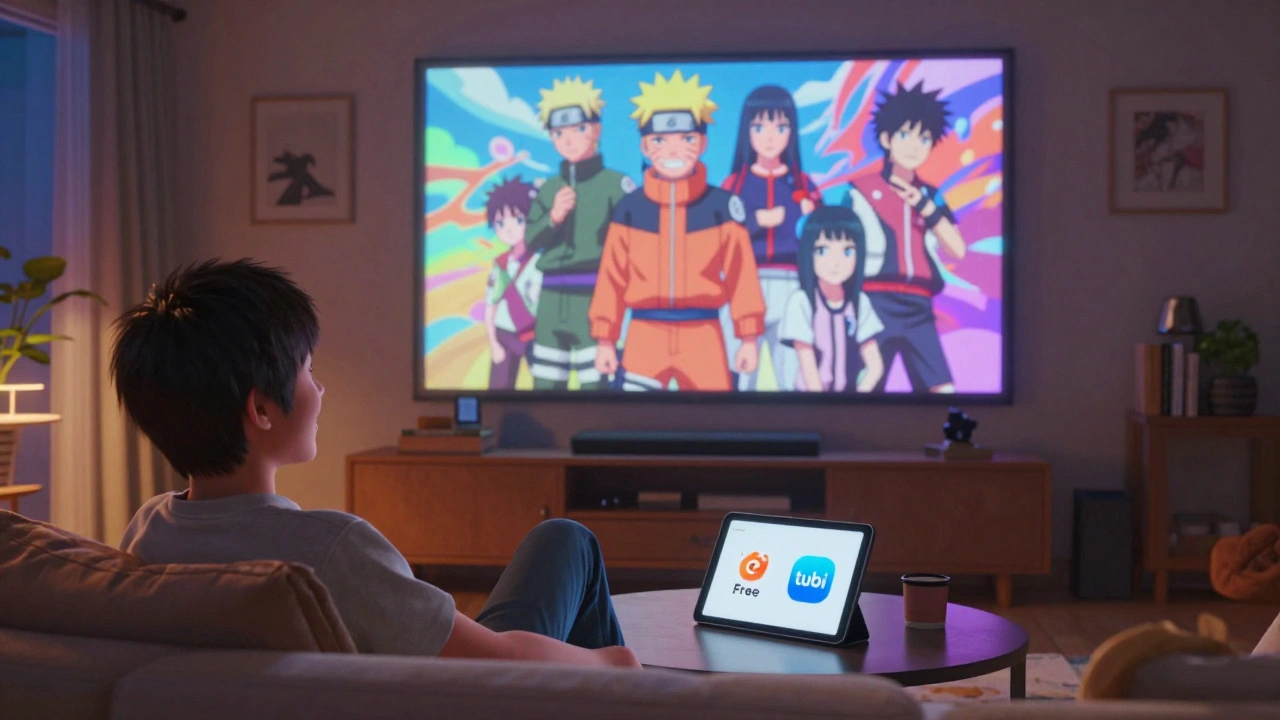
Anime by Region: Where Different Styles Come From and Why It Matters
When you think of anime, a style of animation rooted in Japanese storytelling and visual design, often characterized by expressive characters and emotional depth. Also known as Japanese animation, it has grown into a global language of film and TV—not just because of its art, but because different regions have taken it and made it their own. Anime by region isn’t just about where it’s made—it’s about how culture, history, and audience expectations change the way stories are told. A show from Tokyo doesn’t feel the same as one from Seoul or Los Angeles, even if they use the same big eyes and spiky hair.
The heart of anime still beats strongest in Japanese anime, the original form that defined the genre with complex themes, slow-burn drama, and intricate world-building. Think Studio Ghibli’s quiet moments or Attack on Titan’s brutal politics—these aren’t just cartoons, they’re cultural artifacts. But Korean anime, a rising force blending Japanese aesthetics with local storytelling and digital production, is pushing boundaries with faster pacing and tighter scripts. Meanwhile, Western anime, productions from the U.S. and Europe that adopt the visual language but often restructure narrative flow for Western audiences, are trying to bridge the gap—sometimes succeeding, sometimes missing the soul.
What ties them all together? Cultural translation. It’s not just translating dialogue—it’s deciding whether a character’s silence means sadness, shame, or strength. A Japanese anime might let a scene breathe for 30 seconds of nothing. A Western version might cut to a close-up and add music to tell you how to feel. That’s why subtitles and dubs don’t just change words—they change how you connect to the story. And that’s why watching anime by region isn’t just about picking a show. It’s about understanding where it came from, who made it, and what they wanted you to feel.
Below, you’ll find real examples from filmmakers and fans who’ve explored these differences—how a Korean studio reimagined a classic trope, how a U.S. director learned to love silence in animation, and why some fans refuse to watch anything but the original Japanese version. These aren’t just reviews. They’re conversations across borders.
Discover legal, free ways to watch anime without piracy. Find out which platforms offer anime by region, including Crunchyroll, Tubi, and YouTube, and avoid unsafe sites.
View More