Camp Aesthetics in Film: Bold, Playful, and Over-the-Top Cinema
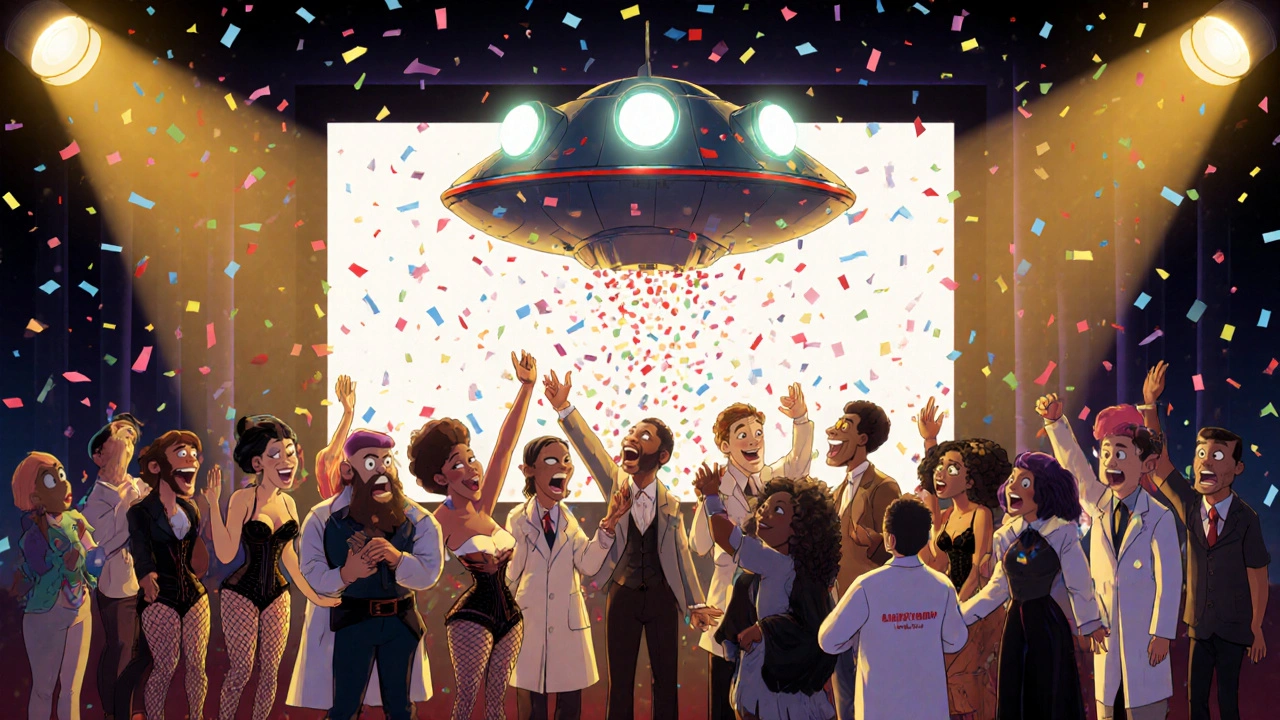
When you see a movie that takes itself so seriously it becomes hilarious—or so wildly dramatic it feels like a musical performed by robots in glitter—camp aesthetics, a style that finds beauty in the exaggerated, the artificial, and the deliberately tacky. Also known as camp style, it’s not about bad taste. It’s about knowing exactly how bad it looks and leaning in anyway. Think of a villain monologuing while surrounded by velvet curtains, a hero dramatically collapsing in slow motion to a disco beat, or a film that turns a cardboard castle into a symbol of divine grandeur. Camp doesn’t ask you to take it seriously. It asks you to feel it.
Camp aesthetics thrive in queer cinema, a space where marginalized voices turned excess into survival and satire into solidarity. It’s no accident that camp exploded in underground film scenes in the 70s and 80s—when mainstream culture ignored or mocked LGBTQ+ identities, camp became a way to reclaim power through performance. Films like The Rocky Horror Picture Show or Pink Flamingos didn’t just break rules; they laughed while setting them on fire. Today, camp isn’t just a niche. It’s a language. It’s in the exaggerated poses of a Wes Anderson shot, the over-the-top costumes of Barbie, and the self-aware melodrama of a John Waters film. It’s also in the way indie filmmakers use cheap props, mismatched lighting, or absurd dialogue to say something real beneath the glitter.
What makes camp different from parody? Parody mocks. Camp admires—even while it mocks. It’s the difference between making fun of a bad movie and falling in love with it anyway. That’s why ironic humor in movies, a tool that uses exaggeration to reveal deeper truths through absurdity works so well in indie festivals like Scruffy City. These aren’t just jokes. They’re love letters to the weird, the loud, and the gloriously out-of-place. When a film uses a plastic crown as a throne and you still feel something, that’s camp. When a character cries over a broken toaster like it’s the end of the world, and you laugh through your tears—that’s camp too.
You’ll find camp in films that don’t fit neatly into genres. It’s where horror meets musical, where romance turns into satire, and where the line between sincere and sarcastic vanishes. The posts below don’t just talk about these films—they show you how they work. From visual storytelling that screams without words to cultural translations that turn local quirks into global hits, this collection proves that sometimes the most powerful stories are the ones that refuse to be serious.
Camp and cult cinema thrive on irony, community, and shared rituals-not critical approval. These films survive because audiences refuse to let them die, turning bad taste into lasting tradition.
View More