Cinema Camera: What You Need to Know About Filmmaking Tools and Techniques
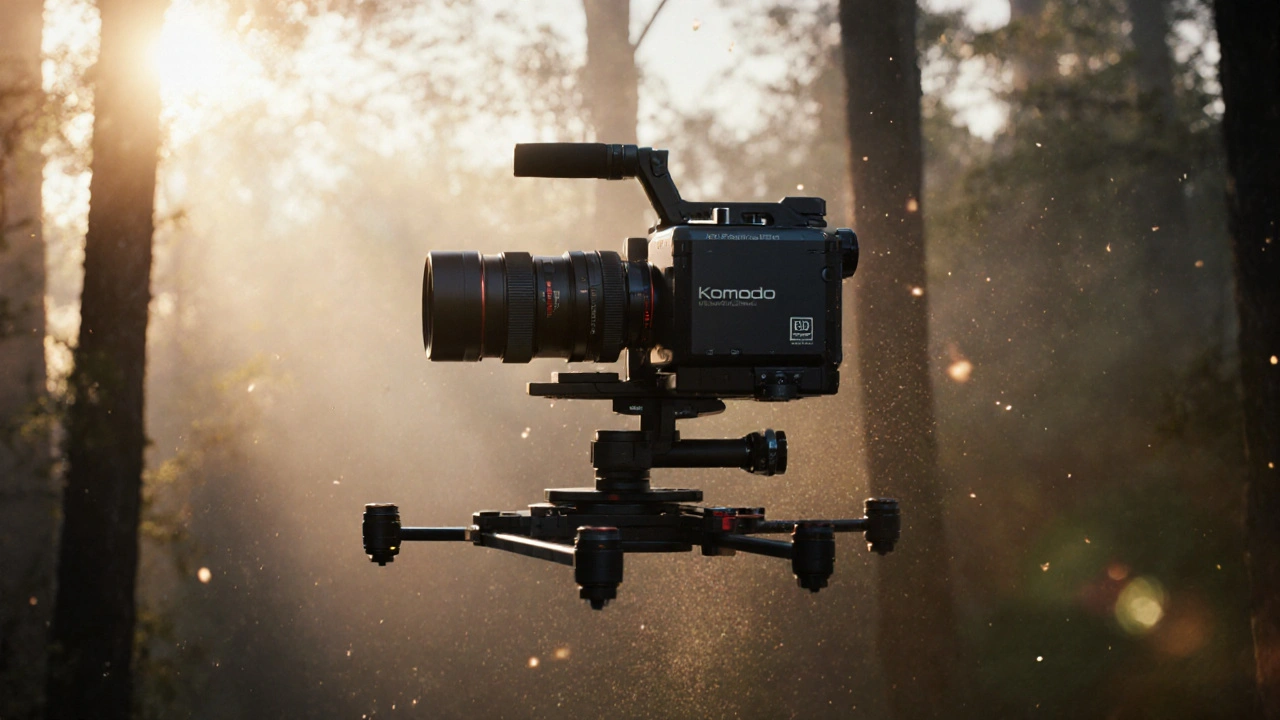
When you think of a cinema camera, a professional-grade motion picture camera designed for high-quality film production. Also known as film camera, it's not just a tool—it's the lens through which stories come alive on screen. Unlike your phone or consumer camcorder, a cinema camera is built for control, depth, and texture. It captures more light, handles dynamic range better, and gives filmmakers the freedom to shape mood with focus, shutter speed, and sensor size. This isn’t about having the most expensive gear—it’s about understanding how the right camera changes the way a scene feels.
Behind every great film is a choice: what camera to use, and why. A digital cinema, a category of professional video cameras designed specifically for motion picture production, often with high-resolution sensors and log profiles. has replaced film in most sets, but the principles haven’t changed. You still need to think about frame rate, ISO, and aperture—not just to get a clean image, but to match the emotional tone of the scene. A gritty indie drama might use a camera with a smaller sensor for that handheld, real-life feel. A sweeping epic? You’ll want the full-frame sensor and shallow depth of field to make every frame feel cinematic. And it’s not just the camera body—it’s the lenses, the stabilizers, the monitors. These are the tools that turn raw footage into something that sticks with you.
What’s interesting is how much of this matters even if you’re not shooting a feature. Many of the posts below show how indie filmmakers, podcasters turning into documentarians, and even home creators are borrowing cinema camera techniques to make their work stand out. Whether it’s using natural light like a pro, choosing the right shutter angle to avoid motion blur, or understanding how color science affects mood, these aren’t just technical tricks—they’re storytelling decisions. You don’t need a Red or Arri to start. But knowing how these cameras work helps you ask better questions, push your own gear further, and recognize what makes a shot truly powerful.
Below, you’ll find real-world examples of how people are using these tools—whether it’s analyzing visual storytelling in Mad Max, figuring out how to shoot a documentary with limited gear, or learning why HDR settings on a projector can make or break a screening. These aren’t reviews of gear. They’re stories about how the right camera choices shape what we see, feel, and remember.
RED cameras set the standard for modern cinema with unmatched dynamic range, 8K RAW capture, and professional-grade flexibility. Learn why filmmakers choose RED over competitors - and whether it's right for you.
View More