Cultural Translation in Film: How Movies Bridge Worlds
When a film moves from one culture to another, it doesn’t just get subtitled—it gets cultural translation, the process of adapting meaning, tone, and context so a story resonates across different societies. This isn’t about swapping words. It’s about reshaping emotion, humor, and even silence so it lands the same way in Tokyo as it does in Knoxville. Think of The Big Sick—a Pakistani-American comedian’s love story that works because it doesn’t explain Islam or immigrant pressure like a textbook. It shows it. The father’s silence after his daughter brings home a white guy? That’s cultural translation in action. No voiceover. No lecture. Just a look that says everything.
Good cultural translation doesn’t erase difference—it makes it feel human. Ringu didn’t need American jump scares to scare the world. Its dread came from slow movement, eerie phone calls, and a curse tied to Japanese family rituals. Western audiences didn’t understand every symbol, but they felt the isolation, the guilt, the weight of the unseen. That’s the power of translation that trusts the viewer. On the flip side, when studios force a story to fit a mold—turning a quiet Korean drama into a loud Hollywood romance—they kill the soul. Cultural translation isn’t about making things familiar. It’s about making them feel true.
It’s also why semiotics in cinema matters. A red envelope in a Chinese film isn’t just a prop—it’s a symbol of blessing, luck, or pressure, depending on who gives it. A slammed door in a German film might mean anger. In a Brazilian film, it might mean heartbreak. These aren’t accidents. Filmmakers use visual and sound cues to carry meaning across borders. That’s why visual storytelling—like in Mad Max: Fury Road—can travel farther than dialogue. No one needs to speak English to feel the desperation of a mother running for her children’s lives.
What you’ll find here aren’t just films about culture. They’re films that translated it. From the quiet tension of family expectations in The Big Sick to the unspoken rules of survival in post-apocalyptic worlds, these stories don’t ask you to understand a culture. They let you live inside it for two hours. And that’s the real magic.
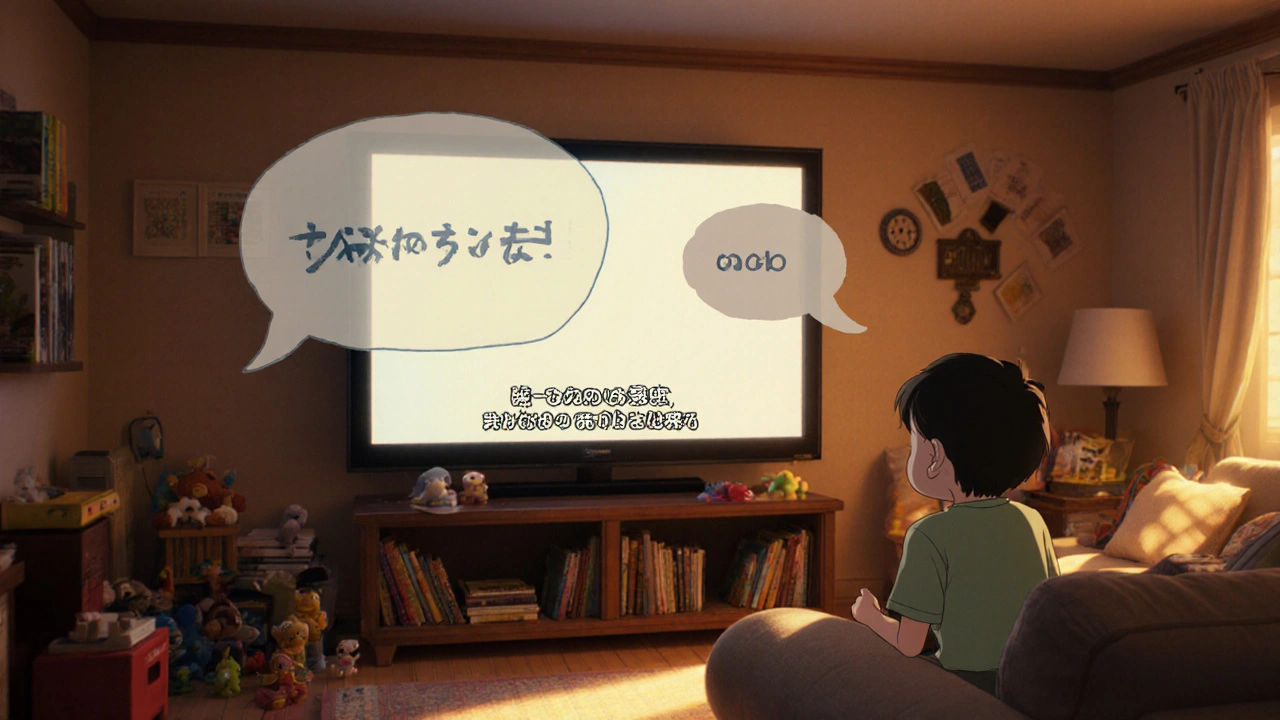
Anime's cultural translation isn't just about language-it's about emotion, tone, and identity. Subtitles preserve authenticity; dubs recreate feeling. Here's why both matter.
View More