Rotten Tomatoes: What It Really Means for Indie Films and Viewers
When you see a movie listed with a Rotten Tomatoes score, you’re not just looking at a number—you’re seeing the result of thousands of critic reviews boiled down into a single percentage. Rotten Tomatoes, a review aggregation website that compiles critic and audience opinions on films and TV shows. Also known as RT, it’s become the go-to quick check before you spend two hours in a theater or on your couch. But here’s the thing: that number doesn’t tell you if you’ll like the movie. It tells you if critics liked it. And for indie films, that gap between critics and audiences can be wider than a canyon.
Rotten Tomatoes doesn’t invent opinions—it collects them. A film gets a "Fresh" rating if at least 60% of reviews are positive. That sounds simple, but it’s anything but. A small indie film with 20 reviews, all glowing, hits 100%—and suddenly it’s "critically acclaimed." But if 15 of those reviews come from niche blogs and five from major outlets, does that mean anything to you? Meanwhile, a blockbuster with 500 reviews and a 70% score might be called "mediocre," even if millions loved it. critic scores, the aggregated opinions of professional film reviewers used to determine Rotten Tomatoes ratings are just one layer. audience scores, the average rating given by regular viewers on Rotten Tomatoes, often contrasting with critic scores tell another story—sometimes wildly different. We’ve all seen it: a movie with a 30% critic score and a 90% audience score. That’s not a glitch. That’s the real world.
At Scruffy City Film Fest, we see this every year. A film with a low Rotten Tomatoes score might be the one that leaves people talking long after the credits roll. Why? Because critics don’t always get indie films. They’re trained to spot tropes, technical flaws, or deviations from tradition. But audiences? They feel the heart. They connect with the rawness. They don’t care if the lighting is "imperfect"—they care if the story made them cry, laugh, or question something they’d never thought about before. That’s why we don’t let scores dictate our selections. We let the people who show up—real viewers, not just reviewers—decide what sticks.
Below, you’ll find articles that dig into how movie ratings work, why some films defy the numbers, and how tools like Rotten Tomatoes shape what we watch—even when they get it wrong. Whether you’re a filmmaker trying to understand how your film might be judged, or just someone tired of being told what to like, these posts will help you see past the percentage and find what really matters: the movie that speaks to you.
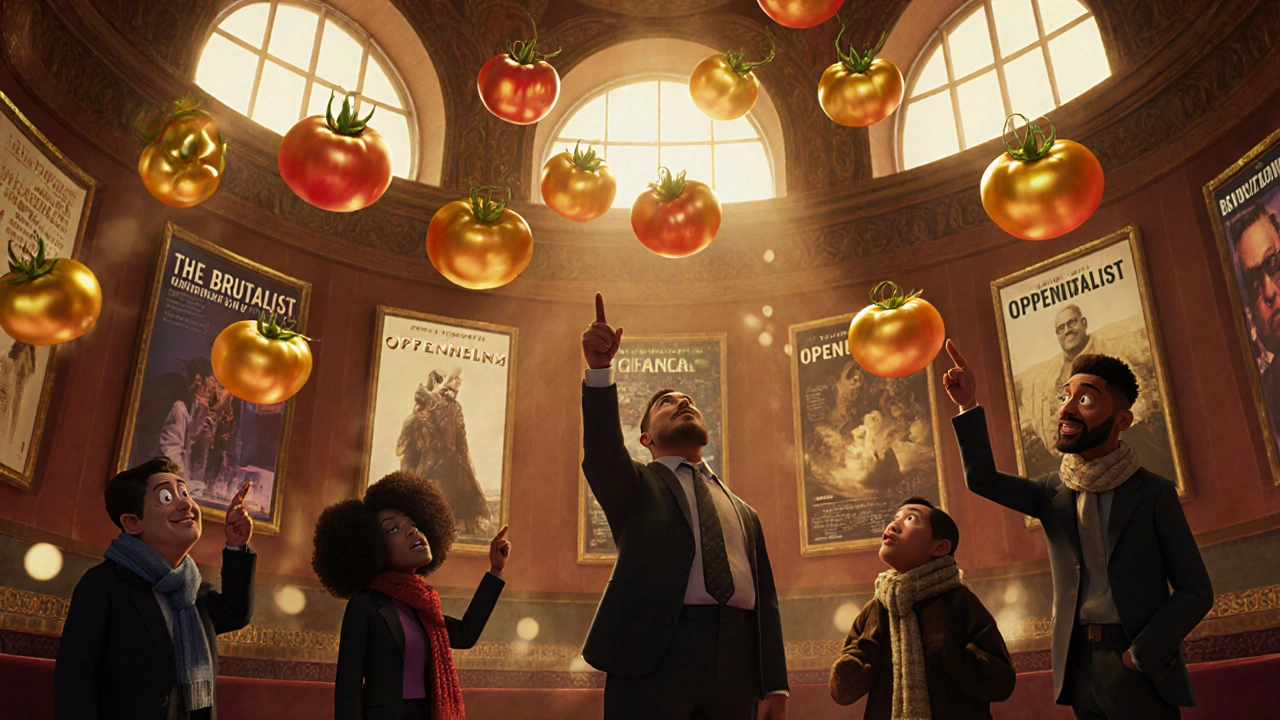
The Golden Tomato Awards highlight the year's best-reviewed movies and TV shows based on critic scores from Rotten Tomatoes. Unlike audience ratings, these awards reflect professional approval and cinematic quality, helping viewers find truly standout films and series.
View More