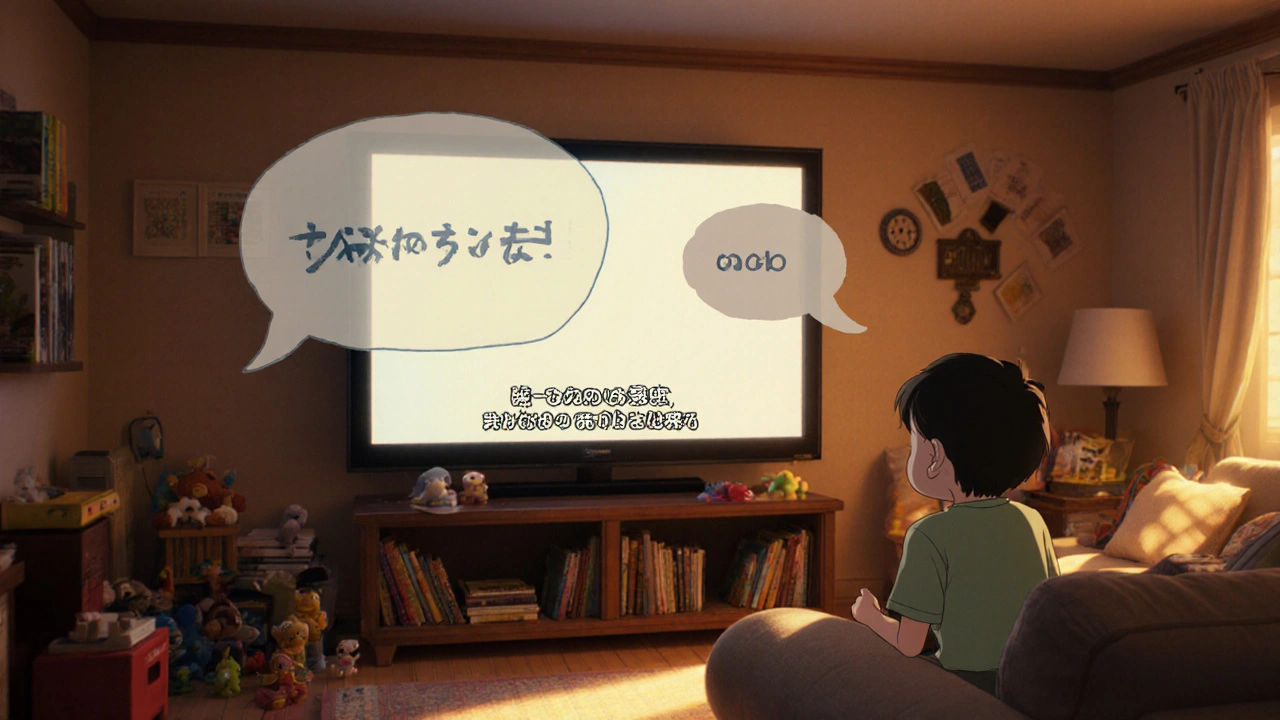
Sub vs Dub: What's the Best Way to Watch Foreign Films?
When you watch a foreign film, you’re not just choosing a movie—you’re choosing how to experience it. Subtitles, text versions of dialogue displayed on screen, preserve the original audio and performance. Also known as subs, they let you hear the actor’s real voice, the emotion in their tone, and the cultural rhythm of the language. On the other side, dubbing, replacing original audio with translated voiceovers, makes content accessible without reading. It’s common in mainstream TV, but in indie cinema, it often strips away the authenticity that makes these films special. The choice between sub and dub isn’t just about convenience—it shapes how you connect with the story.
Think about sub vs dub in the context of films like Ringu or The Big Sick. Those moments of silence, the hesitation in a voice, the way a character stumbles over a word—those aren’t mistakes. They’re human. Subtitles keep them. Dubbing smooths them out. In Mad Max: Fury Road, where dialogue is minimal and the sound design carries the emotion, dubbing would ruin the tension. You don’t need words to feel the chaos. But if you’re watching a Japanese drama where every sigh and pause matters, subtitles let you sit with it. And let’s be real—most indie filmmakers don’t have the budget for high-quality dubbing. What you’re hearing is often the raw, unfiltered performance. That’s not a limitation. It’s the point.
Some people say subtitles are hard to read. But if you’ve ever watched a film with no sound because your headphones died, you already know how much you can pick up visually. Subtitles train your eyes to move with the story. They turn watching into an active experience. Dubbing, on the other hand, can feel like watching a puppet show where someone else is speaking for the characters. It’s not always bad—some dubs, like the English version of Studio Ghibli films, are done with care. But those are exceptions. Most dubs are rushed, tone-deaf, or just plain awkward. And in a festival like Scruffy City, where originality is the whole point, why settle for something that flattens the art?
What you’ll find in this collection isn’t just a list of films. It’s a guide to understanding how language shapes meaning on screen. From how animated documentaries use visual storytelling to bypass language barriers, to how semiotics in cinema reveals meaning beyond words, these posts show you why the way a film is translated matters as much as the story itself. You’ll see how the right choice turns a movie into an experience—and how the wrong one turns it into background noise.
Anime's cultural translation isn't just about language-it's about emotion, tone, and identity. Subtitles preserve authenticity; dubs recreate feeling. Here's why both matter.
View More