
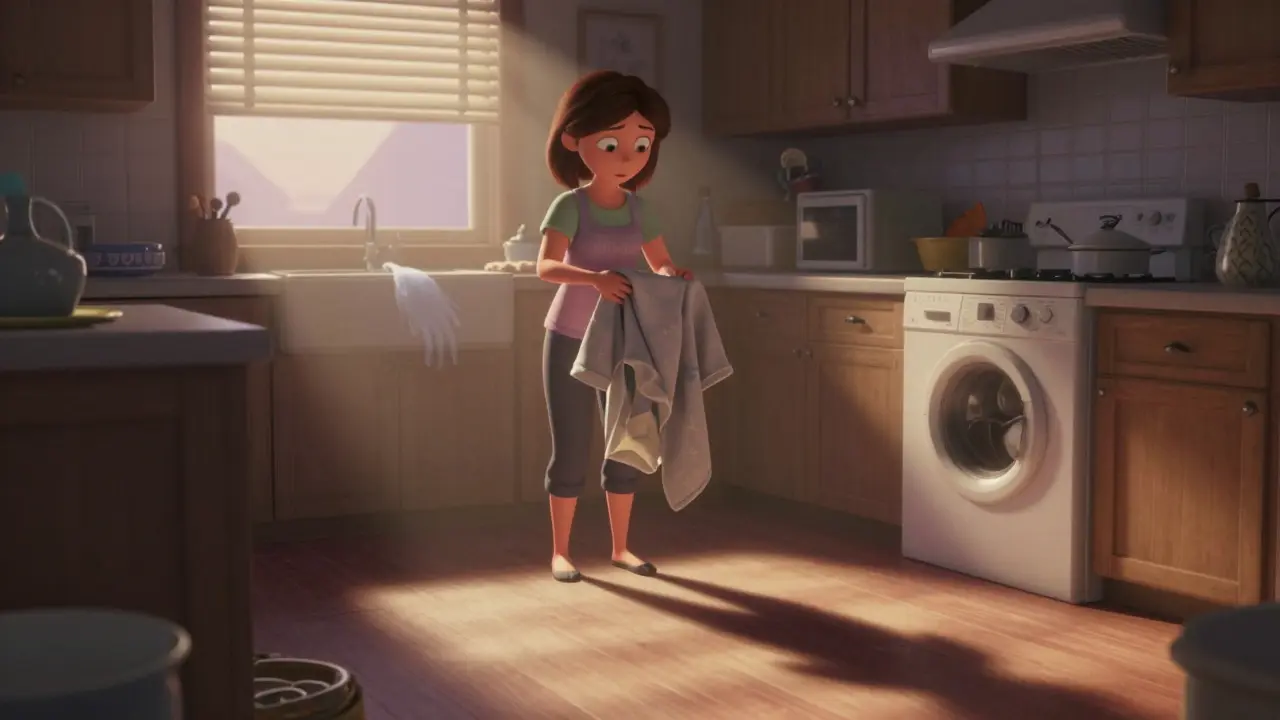
Brad Anderson’s films don’t scream. They whisper. And that’s why they stick with you long after the credits roll. In The Dark Underbelly of Normalcy, Anderson doesn’t just make movies-he digs into the quiet cracks beneath everyday life and shows what’s wriggling down there. You watch a man brush his teeth in the morning. You see a woman fold laundry. Everything looks ordinary. Then, without warning, something shifts. A glance lingers too long. A silence grows teeth. That’s Anderson’s signature: the horror isn’t in the monster under the bed. It’s in the person sitting across from you at breakfast.
Ordinary People, Extraordinary Tension
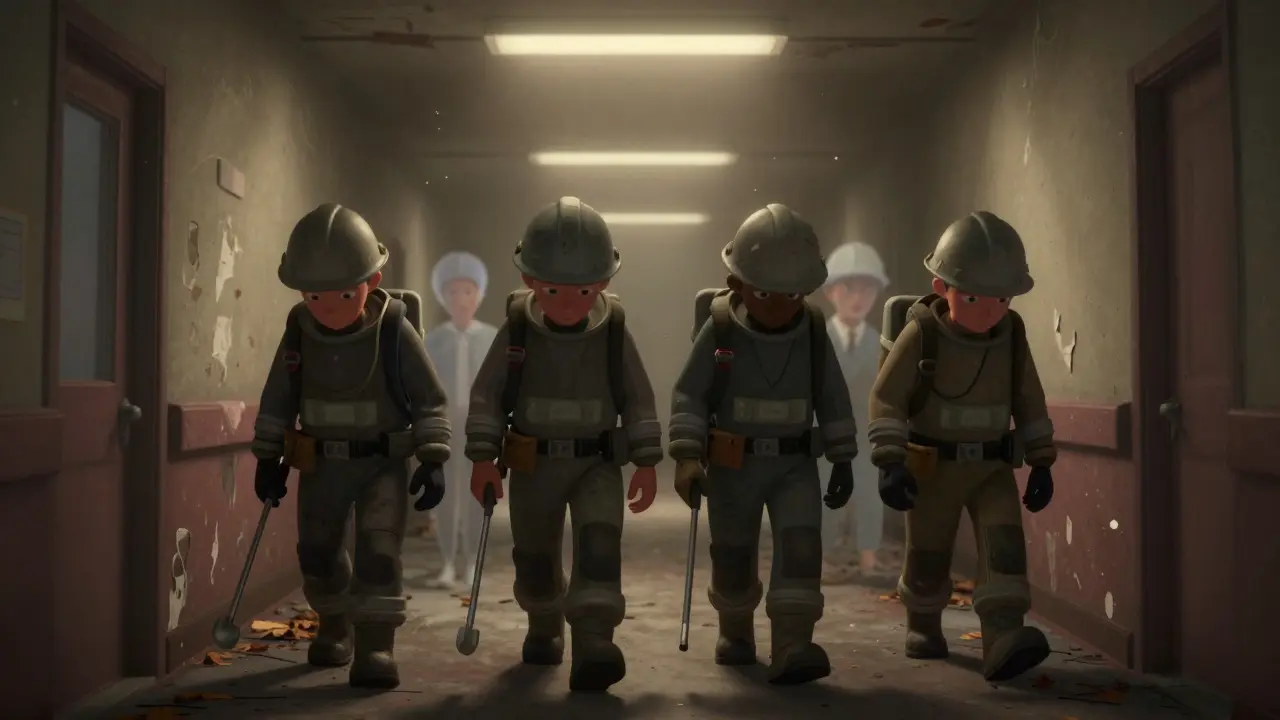
Anderson’s 2002 film Session 9 is the clearest example of this. Set in an abandoned psychiatric hospital, it’s not haunted by ghosts. It’s haunted by the weight of forgotten trauma. The characters aren’t supernatural investigators-they’re asbestos removers. They wear hard hats, not trench coats. Their dialogue is clipped, bored, real. And yet, as the days pass, the building starts to unravel them. One worker begins sleepwalking. Another hears voices that aren’t there. The audience doesn’t know if it’s the location, the job, or something deeper inside them. Anderson never gives you an easy answer. That’s the point.Compare that to most horror films. They rely on jump scares, loud music, and monsters with claws. Anderson’s horror is slower. It’s the kind that creeps in when you’re alone with your thoughts at 3 a.m. It’s the feeling that your neighbor’s smile doesn’t reach their eyes. It’s the realization that the person you trust the most might not be who they say they are. In The Machinist (2004), Christian Bale’s character hasn’t slept in a year. His body is wasted. His mind is fraying. But the film never tells you outright what happened. You piece it together from glances, shadows, and the way people avoid looking at him. The horror isn’t in the reveal. It’s in the slow erosion of self.
The Quiet Horror of Routine
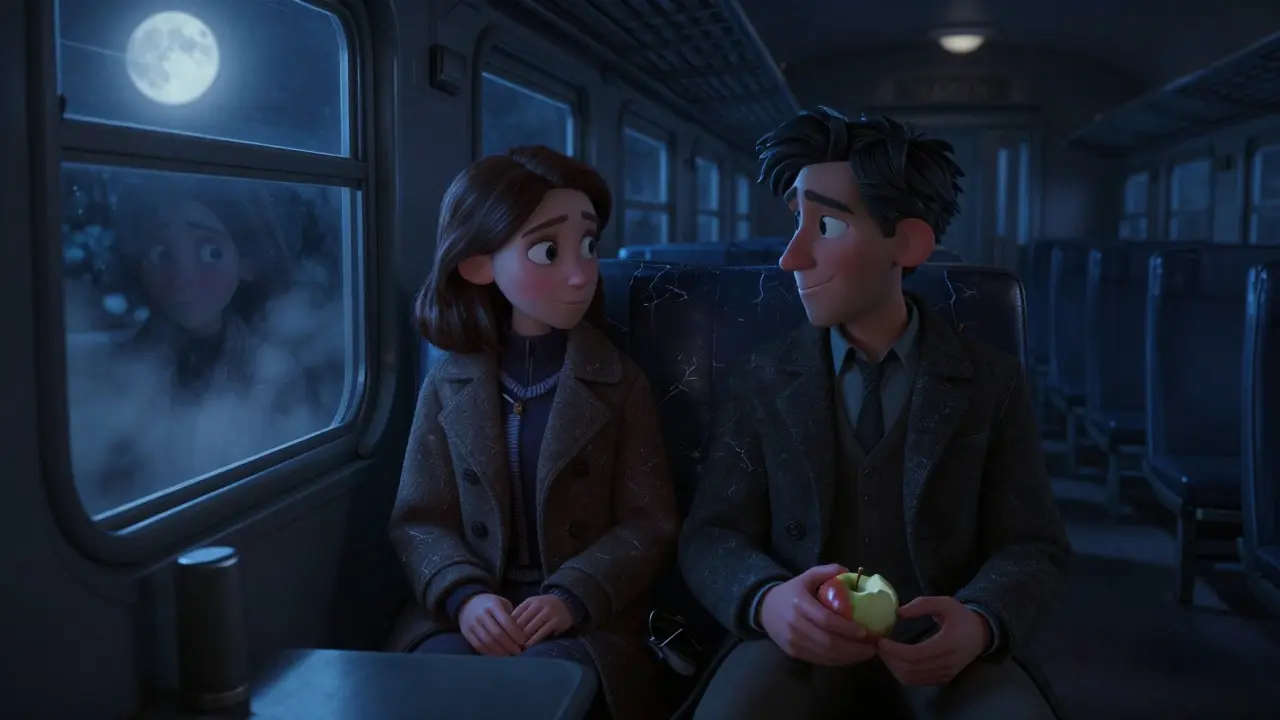
Anderson understands that the most terrifying things in life aren’t dramatic. They’re mundane. A paycheck. A commute. A text that goes unanswered. In his 2006 TV movie The Call, a woman receives a call from a man who says he’s going to kill her daughter. The police don’t believe her. Her husband thinks she’s paranoid. The camera stays tight on her face as she tries to hold it together. No music swells. No lights flicker. Just a woman sitting in her kitchen, trying to decide if she’s losing her mind-or if something terrible is about to happen.This isn’t just suspense. It’s psychological realism. Anderson films people the way they actually behave: hesitant, inconsistent, emotionally messy. He doesn’t give his characters monologues. He gives them pauses. He lets silence do the work. In Transsiberian (2008), a couple on a train ride through Russia gets tangled in a drug smuggling scheme. The danger isn’t obvious at first. It’s in the way a stranger lingers too long at the bar. In the way a train conductor doesn’t respond when asked a question. In the way the camera holds on a half-eaten apple while someone lies.
Anderson’s style is the opposite of Hollywood spectacle. He doesn’t need explosions. He needs a flickering fluorescent light. He doesn’t need a villain in a mask. He needs a man who says, “I’m just trying to help,” while holding a knife behind his back.
Normalcy as a Mask
What makes Anderson’s work so unsettling is how deeply he believes in the lie of normalcy. We’re taught that if you follow the rules-go to work, pay your bills, smile at your kids-you’re safe. Anderson shows you that’s a myth. In The Call, the mother does everything right. She calls the police. She tells her husband. She tries to protect her child. And still, the world doesn’t care. The system fails. The people around her don’t believe her. And that’s the real terror: not that evil exists, but that no one notices when it walks in through the front door.His characters are often outsiders-not because they’re weird, but because they’re too honest. They see what others ignore. In Session 9, the lead technician, Mike, is the only one who notices the hospital’s old patient records. He reads them. He starts to feel like he’s being watched. The others think he’s crazy. But the audience knows: he’s the only one awake.
This isn’t just about paranoia. It’s about perception. Anderson’s films ask: How much of what we call normal is just collective denial? How many people go through life pretending everything’s fine because admitting otherwise feels too dangerous?
Why Anderson Matters Now
In 2026, we live in a world obsessed with surface. Social media shows curated smiles. News cycles reduce trauma to headlines. We scroll past stories of broken families, mental health crises, and quiet despair because they don’t fit the feed. Anderson’s films are the antidote. They force you to look closer. To sit with discomfort. To ask: What are we not saying?His work connects directly to the rise of psychological thrillers in streaming-shows like Sharp Objects, The Girl on the Train, and Severance. But Anderson was doing this before anyone else. He didn’t need a big budget. He didn’t need stars. He just needed a camera, a script, and the courage to let silence speak.
His influence is everywhere now. But few directors capture the quiet rot beneath polite society the way he does. In a time when people are more isolated than ever, his films feel more relevant than ever. We’re all living inside Anderson’s world now. We smile at coworkers we don’t trust. We nod along to conversations we don’t believe. We pretend everything’s okay because speaking up feels too risky.
Where to Start
If you’ve never seen a Brad Anderson film, start with Session 9. It’s his most complete statement on the dark underbelly of normalcy. Then watch The Machinist. Then Transsiberian. Don’t expect action. Don’t expect answers. Expect to feel unsettled. Expect to wake up in the middle of the night wondering if you’ve ever really known the people around you.Anderson doesn’t entertain. He exposes.
What Makes His Films Different
Most directors build tension with music, lighting, and editing. Anderson builds it with behavior. He notices the small things: the way someone hesitates before answering a question. The way a hand trembles while pouring coffee. The way a child stares too long at a closed door. These aren’t clichés. They’re clues. And Anderson trusts his audience to connect them.His films don’t have villains in the traditional sense. They have people-flawed, tired, scared, hiding. The horror isn’t in what they do. It’s in what they’ve stopped feeling.
Anderson’s characters don’t monologue about their pain. They don’t break down in tears on cue. They just keep going. And that’s what makes them terrifying.
Why You Should Watch His Films
You don’t watch a Brad Anderson film to be thrilled. You watch it to be changed. You walk away wondering if you’ve ever truly seen the people you live with. If you’ve ever really listened. If you’ve ever been brave enough to ask the hard questions.His work isn’t about fear. It’s about truth. And truth, in his world, is always darker than fiction.
What makes Brad Anderson’s films different from other psychological thrillers?
Anderson avoids jump scares and loud music. Instead, he builds dread through silence, subtle behavior, and everyday settings. His horror comes from what’s left unsaid-the way a person avoids eye contact, the hesitation before answering a question, the weight of routine. He doesn’t need monsters. He needs real people hiding real pain.
Is Brad Anderson a well-known director?
He’s not a household name, but among filmmakers and critics, he’s highly respected. His work influenced the rise of slow-burn psychological thrillers in the 2010s. Directors like Ari Aster and Robert Eggers cite him as an inspiration. While his films rarely made box office headlines, they became cult favorites for their raw, unflinching approach to human darkness.
What films should I watch to understand his style?
Start with Session 9 (2001), then The Machinist (2004), and Transsiberian (2008). These three films show his core themes: isolation, guilt, the collapse of normalcy. The Call (2006) is also essential-it’s a masterclass in quiet tension.
Are Brad Anderson’s films based on true stories?
None are direct adaptations, but they’re deeply rooted in real psychological patterns. Session 9 was inspired by real abandoned mental institutions and patient records. The Machinist draws from studies on insomnia and guilt-induced psychosis. Anderson researches obsessively-he doesn’t invent horror. He finds it in documented human behavior.
Why do his films feel so realistic?
Anderson uses non-professional actors for minor roles, shoots on location in real buildings, and avoids stylized lighting. He lets conversations drag, lets characters interrupt each other, and lets silence stretch. That authenticity makes the horror feel possible-like it could happen next door.