
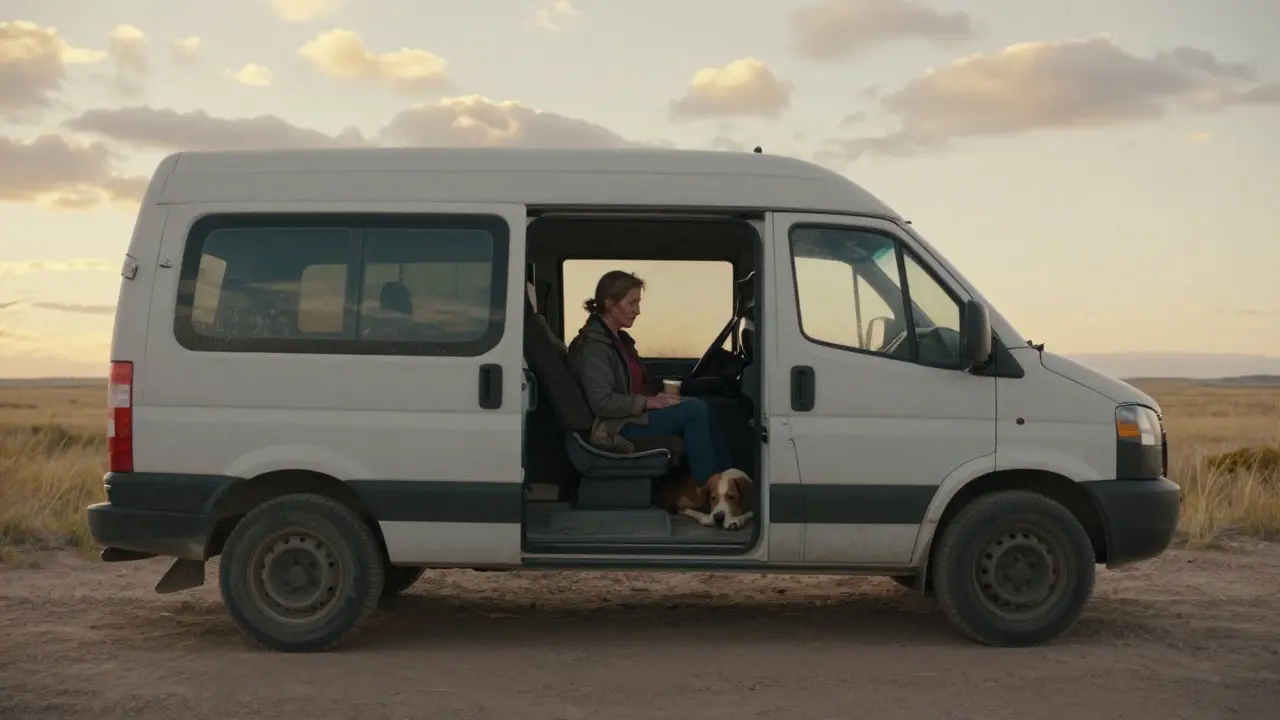
Chloé Zhao doesn’t cast actors. She finds people. And she doesn’t shoot on sets. She films where life actually happens-in the dust of South Dakota plains, along the edges of Native American reservations, in the quiet corners of small-town America. Her films don’t feel like movies. They feel like glimpses into real lives, caught on camera without permission. That’s not magic. It’s intentional. It’s naturalism.
What Naturalism Means in Chloé Zhao’s Work
Naturalism in film isn’t just about shooting on location. It’s about letting reality guide the story. Zhao’s characters don’t recite lines. They speak the way people really do-halting, interrupted, full of pauses. Their emotions aren’t staged. They’re lived. In Nomadland, Fern (played by Frances McDormand) doesn’t act grief. She carries it. And the people around her? Most aren’t actors. They’re real nomads who’ve lived the life the film portrays. Zhao doesn’t direct them. She listens. Then she films what she hears.
This approach isn’t new. Directors like Vittorio De Sica and Robert Bresson used non-professionals decades ago. But Zhao makes it feel fresh because she doesn’t treat realism as a style. She treats it as a necessity. Her stories aren’t about drama. They’re about survival. And survival doesn’t come with scripted dialogue.
Why Non-Actors Work Better Than Professionals
Think about the last time you saw a movie where someone cried on cue. Did it feel real? Or did it feel like they were trying too hard? Zhao avoids that. When she casts non-actors, she’s not saving money. She’s gaining authenticity.
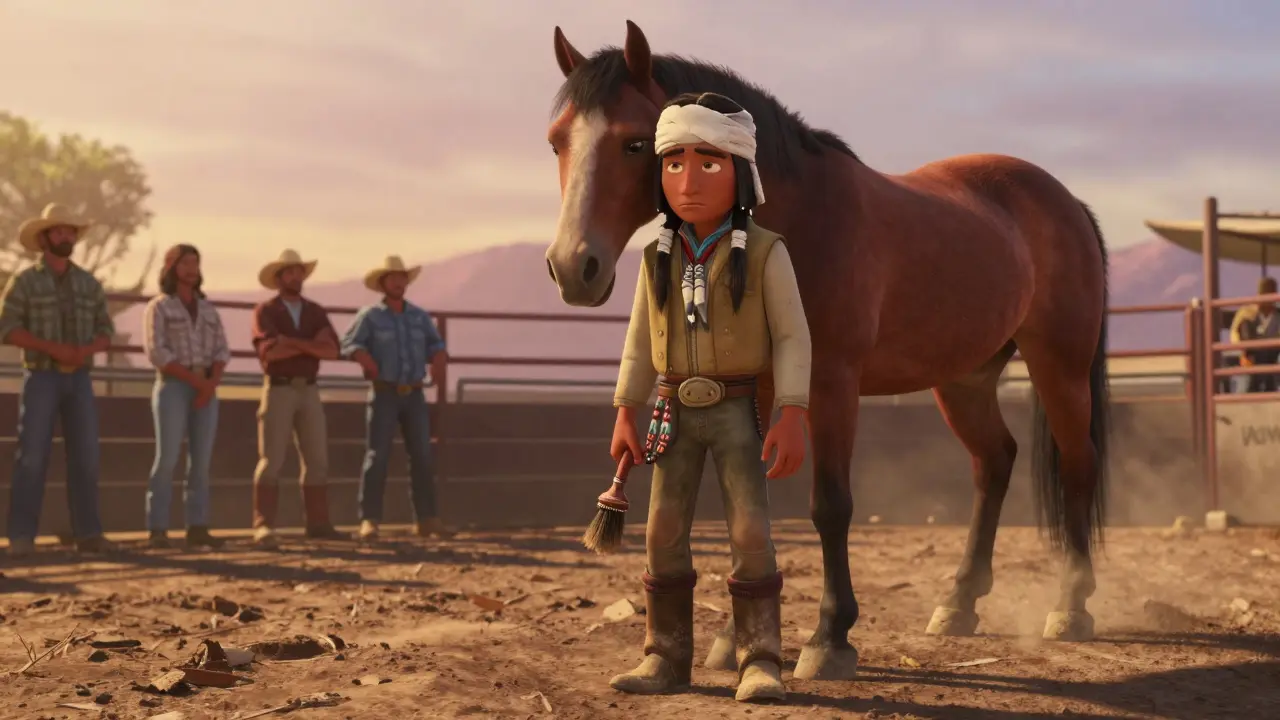
In The Rider, Brady Jandreau plays a rodeo rider recovering from a traumatic brain injury. He’s not acting-he’s reliving it. His real-life sister plays his sister. His real horse plays his horse. The scenes where he struggles to speak, to hold a brush, to ride again? Those aren’t performances. They’re memories captured on film.
Professional actors can mimic emotion. But they can’t replicate the weight of lived experience. Zhao knows this. She doesn’t need someone who can cry on command. She needs someone who’s already been broken-and still gets up every morning.
The Landscapes Are Characters Too
Look at the way Zhao frames the American West. Not as a backdrop. Not as a postcard. As a force.
The wind doesn’t blow in her films. It howls. The dirt doesn’t settle. It clings. The sky doesn’t change color. It swallows the horizon. In Nomadland, the vastness of the landscape doesn’t just surround Fern-it isolates her, challenges her, holds her. The land isn’t pretty. It’s indifferent. And that’s the point.
She shoots in natural light. No studio lamps. No color grading to make sunsets glow. The light in her films is the same light that hits your skin when you step outside at 6 a.m. in January. It’s cold. It’s flat. It’s honest.
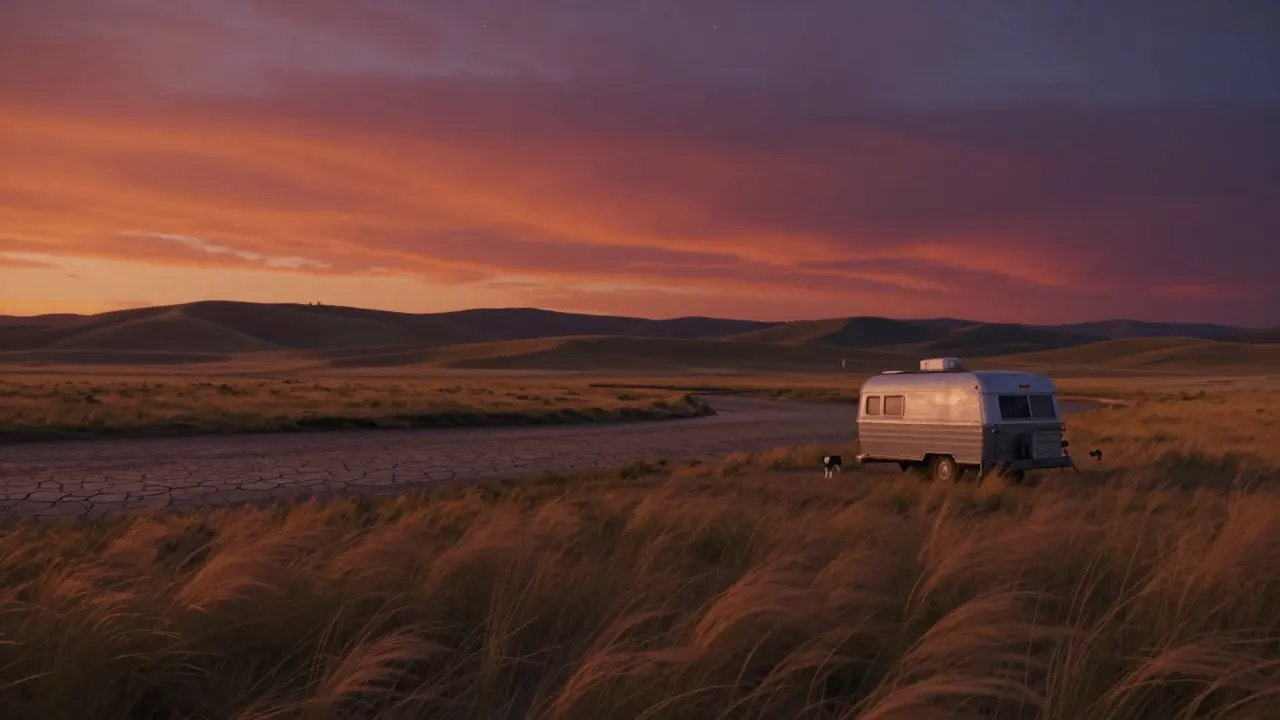
Her camera doesn’t glide. It walks. It lingers. It waits. You’ll see a shot of a trailer parked in the middle of nowhere. No music. No dialogue. Just the sound of wind and a dog barking. And somehow, that moment holds more emotion than a hundred dramatic monologues.
How She Finds Her People
How does Zhao find people who’ve lived the lives she wants to show? She doesn’t hold open auditions. She doesn’t scroll through reels. She goes places. She sits. She listens.
For The Rider, she spent months in Pine Ridge Reservation, talking to rodeo riders, families, local doctors. She didn’t ask them to act. She asked them to talk about their fears, their losses, their dreams. Then she wrote the script from those conversations. Brady Jandreau didn’t audition. He showed up. And Zhao filmed what he said.
In Songs My Brothers Taught Me, she cast real siblings from the Lakota community. The boy who plays Johnny? He was 12. He’d never acted before. His sister, who plays his older sister, had never been in front of a camera. But their bond? Real. Their silence? Real. Their grief? Real.
Zhao’s process is slow. It’s messy. It’s not efficient. But it’s the only way to get truth on screen.
The Cost of Authenticity
This method isn’t easy. It’s not glamorous. It takes years. The Rider took three years to make. Nomadland took two. She doesn’t have a studio behind her. She works with tiny crews. Sometimes just her, a camera, and a sound recorder.
There’s no guarantee it’ll work. What if the real person can’t carry the story? What if the landscape doesn’t cooperate? What if the weather ruins a week of shooting? Zhao accepts that. She doesn’t fight it. She adapts.
When a storm hit during the shoot of Nomadland, she didn’t stop. She filmed the rain. She didn’t change the script. She changed the scene. The result? A moment where Fern sits alone in her van as rain drums on the roof. No music. No dialogue. Just the sound of water and silence. That scene won an Oscar. Not because it was perfect. Because it was real.
Why Her Films Resonate Now
Why do audiences connect with Zhao’s films so deeply? Because they’re not about escape. They’re about recognition.
In a world of CGI superheroes and hyper-stylized dramas, her work feels like a breath of air after too long in a stuffy room. People see themselves in Fern. In Brady. In the quiet moments between words. They see the exhaustion of working two jobs. The loneliness of losing a family member. The dignity of surviving without a safety net.
Her films don’t offer solutions. They don’t preach. They don’t romanticize poverty. They just show it. And in doing so, they give dignity to people Hollywood usually ignores.
Zhao’s naturalism isn’t a trend. It’s a quiet rebellion. Against the idea that stories need polished actors. Against the belief that beauty requires lighting rigs. Against the notion that truth must be packaged for mass consumption.
What Makes Her Different From Other Indie Directors
Many indie directors use non-actors as a gimmick. They cast real people to look "authentic" but still force them into dramatic arcs. Zhao doesn’t do that. Her stories don’t have three-act structures. They don’t have clear villains. They don’t have happy endings.
Her films end the way life does-without fanfare. In The Rider, Brady doesn’t ride again. He doesn’t give up. He just lives differently. That’s not a plot twist. That’s a life.
Compare her to directors like Kenneth Lonergan or Kelly Reichardt. They also value realism. But Zhao’s approach is more immersive. She doesn’t just observe. She embeds. She becomes part of the community. She doesn’t shoot from the outside. She shoots from within.
That’s why her films feel like home-even if you’ve never been to South Dakota.
How Her Style Influences Modern Filmmaking
Zhao’s influence is spreading. More indie films now cast real people. More directors are shooting on location with minimal crews. More studios are greenlighting slow, quiet stories. But few do it as consistently-or as deeply-as she does.
Her success at the Oscars didn’t change her. She still lives in a van when she’s shooting. Still sleeps on floors. Still talks to strangers before she films them. That’s not branding. That’s belief.
Young filmmakers are watching. They’re asking: What if we stop pretending? What if we just show what’s there?
Zhao’s answer? You’ll find it in the silence between words. In the dust on a boot. In the way someone looks away when they’re hurting.
That’s her legacy-not awards, not fame. But the quiet permission she’s given to a generation of filmmakers: You don’t need to fake it. Just be there.
Why does Chloé Zhao use non-actors instead of professionals?
She uses non-actors because real people bring lived experience that actors can’t replicate. In The Rider, Brady Jandreau wasn’t acting-he was reliving his own brain injury and recovery. His fear, hesitation, and quiet strength came from memory, not rehearsal. Zhao believes authenticity trumps polish. She’s not looking for perfect performances. She’s looking for honest ones.
Are Chloé Zhao’s films documentaries?
No, they’re fictional narratives, but built on real lives. Zhao writes scripts based on conversations with real people, then casts them to play versions of themselves. The events aren’t documented-they’re imagined-but the emotions, voices, and settings are drawn from reality. It’s a hybrid form: fiction rooted in truth.
How does Chloé Zhao choose where to film?
She picks places where the story lives. For Nomadland, she traveled with real van-dwellers across the American West. For The Rider, she lived on the Pine Ridge Reservation for months. The location isn’t chosen for looks-it’s chosen for meaning. The land must hold the story, not just frame it.
Did Chloé Zhao win an Oscar for using non-actors?
She won Best Director and Best Picture for Nomadland, but not specifically for using non-actors. Still, the choice was central to the film’s power. The Academy recognized the emotional truth in those performances-performed by people who’d never acted before. It was a win for authenticity over artifice.
Can other directors replicate Chloé Zhao’s style?
They can try, but it’s not a technique-it’s a mindset. You can’t just cast non-actors and call it naturalism. Zhao spends years building trust. She doesn’t direct. She observes. She waits. She lets the moment happen. That kind of patience, humility, and deep listening can’t be copied. It has to be lived.