
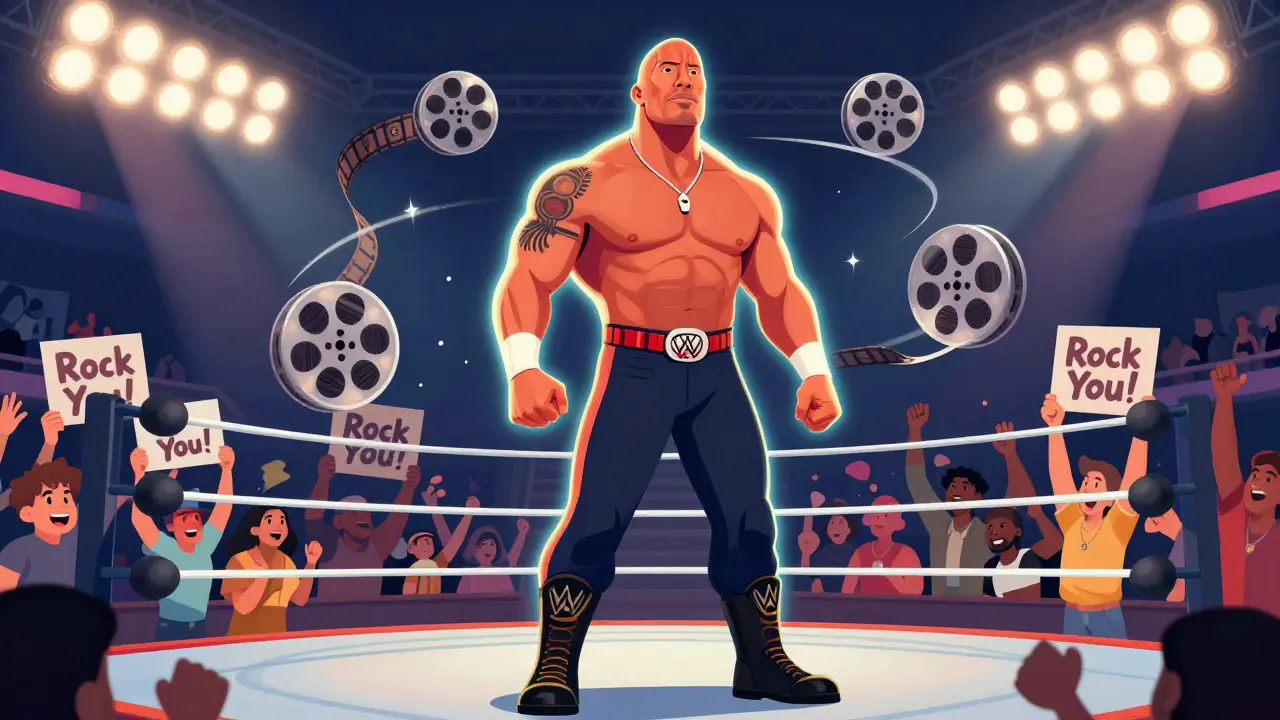
Dwayne Johnson didn’t just transition from wrestling to movies-he rebuilt the action hero archetype from the ground up. Before he was starring in blockbusters like Skyscraper and Black Adam, he was a 250-pound WWE superstar named The Rock, selling charisma on a canvas, not a soundstage. His rise wasn’t luck. It was strategy, timing, and an uncanny ability to turn his biggest perceived weaknesses into superpowers.
From the Ring to the Reel: The First Big Leap
In 2001, Johnson left WWE after a decade of being the most popular wrestler on the planet. He had a contract with the WWF, millions in endorsements, and a built-in fanbase. But he didn’t want to be a wrestler who acted. He wanted to be an actor who happened to be a wrestler. That distinction mattered.
His first major film role was in The Mummy Returns (2001) as the Scorpion King. It wasn’t a lead, but it was a test. He carried scenes with physical presence and a voice that cut through noise. Studios saw something: a guy who could sell a punchline and a punch with equal weight. The Scorpion King became so popular, he got his own spin-off movie in 2002. That’s when Hollywood realized: this isn’t a gimmick. This is a star.
Why Action Movies Needed Him
Before Johnson, the action hero was often stoic-think Arnold Schwarzenegger’s silence or Bruce Willis’ one-liners. Johnson brought something different: emotional accessibility. He didn’t just fight bad guys-he made you care why he was fighting. In San Andreas (2015), he wasn’t just saving his daughter from a collapsing city. He was a father terrified of failing his kid. That’s not typical action movie stuff. That’s human.
His roles rarely asked him to be mysterious. He didn’t hide behind sunglasses or brooding stares. He smiled. He cracked jokes. He cried on camera. That made him relatable. Audiences didn’t just watch him-they rooted for him. And in an era of CGI-heavy action films, Johnson’s real muscles, real stunts, and real energy stood out. He didn’t need a green screen to sell danger. He just showed up.
The Brand That Built the Box Office
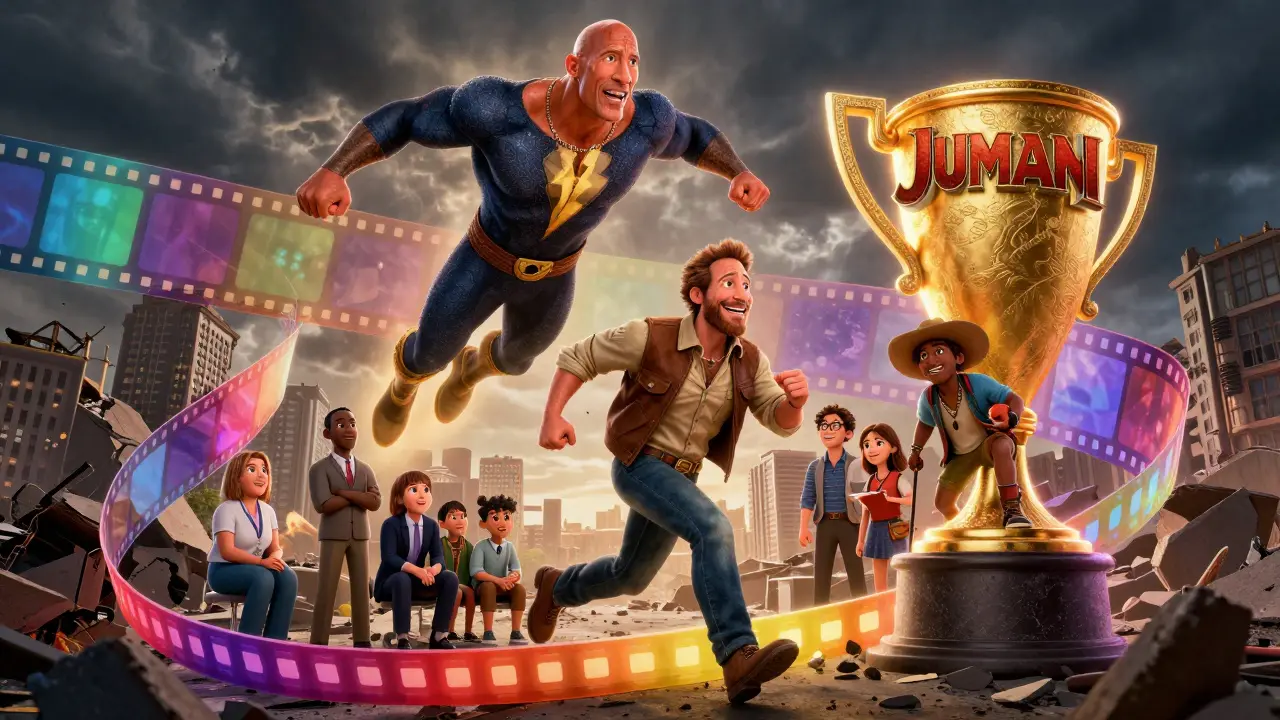
Johnson didn’t wait for studios to hand him roles. He built a brand. By 2010, he was producing films through his company, Seven Bucks Productions. He started choosing projects not just for the paycheck, but for the platform. Jumanji: Welcome to the Jungle (2017) wasn’t just a sequel-it was a reboot that turned a 90s nostalgia piece into a global hit. It made $962 million worldwide. He didn’t just act in it-he shaped it. He pushed for a diverse cast, a smart script, and a tone that balanced humor with heart.
His films have grossed over $12 billion globally as of 2025. That’s more than any other actor in history. He’s not just a star-he’s a box office engine. Studios now pitch him ideas before they’re fully written. He has final cut on most of his films. That kind of power doesn’t come from being good-looking or strong. It comes from consistency, reliability, and understanding the business.
How He Stays Relevant in a Changing Industry
Streaming changed everything. Big-budget action films used to be guaranteed hits in theaters. Now, they’re risky. Johnson adapted by becoming a hybrid: theatrical blockbusters and streaming originals. He starred in Red One (2024), a holiday action-comedy made for Amazon Prime, which became one of the platform’s most-watched films ever. He didn’t abandon theaters-he expanded his reach.
He also avoids typecasting. He’s done family films, war dramas like Fat Albert, sci-fi like Black Adam, and even horror with San Andreas. He doesn’t chase trends. He creates them. When superhero movies were saturated, he made Black Adam-a flawed, morally gray antihero-into a cultural moment. He didn’t wait for Marvel or DC to give him a role. He built his own version of the myth.
The Secret: Work Ethic Meets Emotional Intelligence
Johnson’s routine is brutal. He wakes up at 4 a.m. daily. He trains for 2-3 hours before filming. He reads scripts late into the night. He memorizes lines while eating breakfast. He’s known for showing up early, staying late, and treating every crew member with respect. But it’s not just the grind. It’s how he uses his mind.
He’s open about his struggles with depression and anxiety. He talks about therapy. He doesn’t pretend to be invincible. That vulnerability makes him more powerful, not less. In interviews, he doesn’t talk about himself as a legend. He talks about being a worker. That humility resonates. People trust him because he doesn’t act like he’s above them.
What Other Action Stars Can Learn
Most action stars rely on their physique or their past hits. Johnson relies on his adaptability. He’s not afraid to fail. He took risks on flops like Central Intelligence (2016) and San Andreas (2015), both of which critics panned-but audiences loved. He didn’t let reviews dictate his path.
He also knows when to step back. He turned down roles in Avengers movies because he didn’t want to be a sidekick. He wanted to be the lead. He walked away from $20 million offers to keep creative control. That’s not arrogance. That’s strategy.
His career shows that in action cinema, star power isn’t just about who can throw the biggest punch. It’s about who can connect, adapt, and outwork everyone else.
What’s Next for Dwayne Johnson?
As of 2026, he’s developing a new action franchise called Black Adam: Legacy, with plans for a spin-off series. He’s also producing a documentary about the history of action cinema, featuring interviews with legends like Chuck Norris and Jackie Chan. He’s not slowing down-he’s building a legacy.
He’s the rare star who turned a wrestling gimmick into a global brand without losing his authenticity. He didn’t become a movie star by pretending to be someone else. He became one by being exactly who he was: loud, honest, hardworking, and deeply human.
How did Dwayne Johnson transition from WWE to Hollywood?
Johnson started acting while still wrestling, landing small roles in films and TV shows. His breakout came with The Mummy Returns in 2001, where he played the Scorpion King. The character was so popular, he got his own movie. He then focused on acting full-time, choosing roles that showcased his charisma and physicality, not just his wrestling fame.
Why is Dwayne Johnson so successful in action movies?
He brings emotional depth to action roles. Unlike traditional stoic heroes, Johnson’s characters express fear, love, and humor. His real-life work ethic and physical presence make his stunts believable. He also connects with audiences by being open, humble, and relatable-traits rarely seen in action leads before him.
What makes Dwayne Johnson different from other action stars?
He controls his brand. He produces his own films through Seven Bucks Productions, chooses roles based on creative fit, not just paychecks, and refuses to be typecast. He also speaks openly about mental health and hard work, which builds trust with audiences. His success comes from strategy, not just muscle.
Has Dwayne Johnson ever failed in Hollywood?
Yes. Films like San Andreas and Central Intelligence received mixed or negative reviews from critics. But audiences loved them, and they made hundreds of millions. Johnson doesn’t chase critical acclaim-he focuses on what audiences respond to. His failures were stepping stones, not setbacks.
Is Dwayne Johnson the highest-grossing actor of all time?
As of 2025, yes. His films have grossed over $12 billion worldwide, making him the top-grossing actor in history. He holds this record by consistently starring in high-performing films across genres-action, comedy, family, and superhero-while maintaining creative control over most of his projects.