

Most people know Ethan Hawke as the quiet guy in the corner of the room - the one who doesn’t shout for attention but still holds the whole scene together. He’s not the guy on magazine covers for being handsome. He’s not the one chasing blockbusters just to stay relevant. And yet, over three decades, he’s built one of the most consistent, daring, and emotionally honest bodies of work in modern cinema. If you’ve ever dismissed him as just another indie actor, you’re missing the point. Ethan Hawke isn’t just good. He’s a masterclass in restraint, evolution, and truth.
He doesn’t chase fame - he chases truth
In 1995, Hawke starred in Before Sunrise as Jesse, a restless American who spends one night wandering Vienna with a French girl. No car chases. No explosions. Just two people talking - really talking - about love, death, and whether we ever truly know anyone. It wasn’t a hit at first. Critics called it slow. Audiences didn’t rush to theaters. But something stuck. That film didn’t just launch a trilogy; it redefined what a romantic drama could be. And Hawke didn’t play Jesse. He became him. His voice cracked when he was nervous. He paused too long. He laughed at the wrong moments. It felt real because it was.
Compare that to the typical Hollywood lead. Most actors play characters like they’re selling a product: confident, polished, always in control. Hawke plays people who are confused, broken, trying. He doesn’t fix his characters. He lets them unravel. That’s why his performance in Boyhood (2014) still gives people chills. He played a father over 12 years, watching his kids grow while he struggled with addiction, divorce, and identity. There’s no big speech. No redemption arc. Just a man slowly learning how to be present. The camera didn’t need to zoom in. His eyes said everything.
He picks roles that scare him
Hawke doesn’t repeat himself. He doesn’t stick to what works. After Before Sunrise, he could’ve spent the next 20 years playing charming intellectuals. Instead, he showed up in Training Day (2001) as the wide-eyed rookie opposite Denzel Washington’s terrifying cop. He didn’t try to out-act Washington. He let him burn the screen while he trembled in the passenger seat. That performance earned him an Oscar nomination - not for bravado, but for vulnerability.
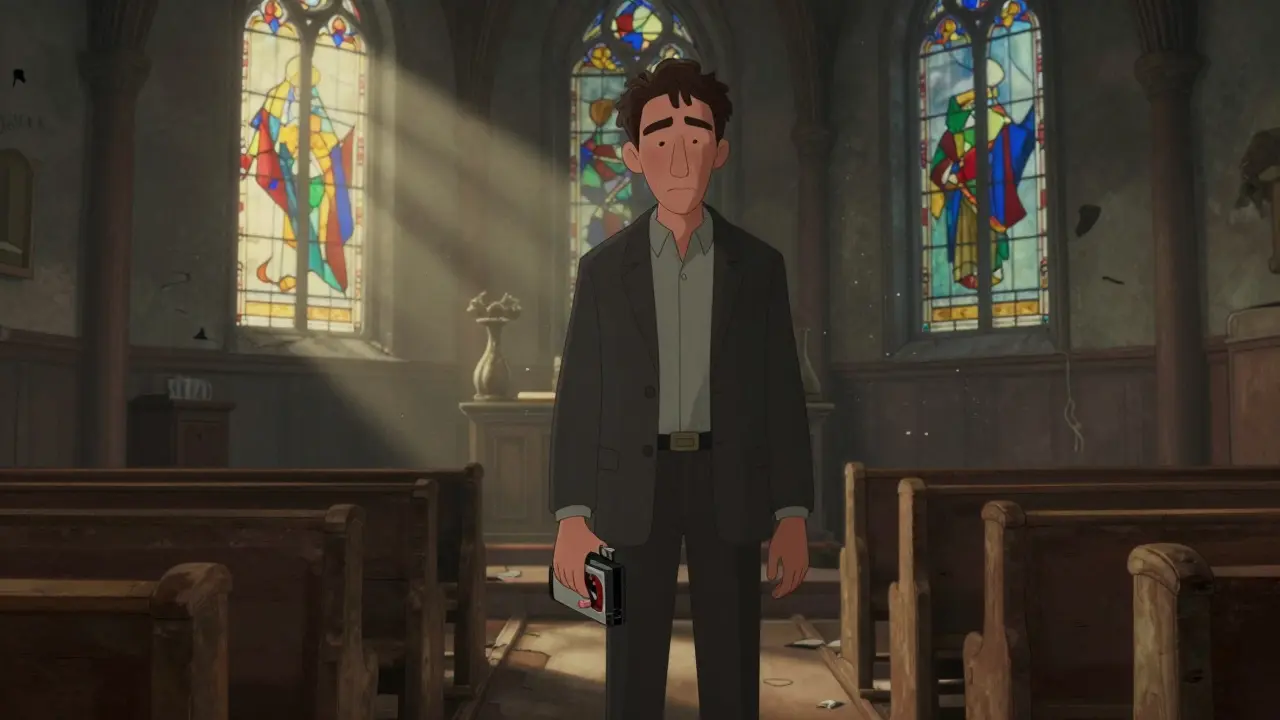
Then came First Reformed (2017). He played a pastor losing his faith in a crumbling church, haunted by climate grief and personal loss. The film is almost a one-man show. For nearly 90 minutes, Hawke sits in silence, stares into the distance, or whispers prayers into a tape recorder. There’s no music to tell you how to feel. No cutaways to ease the tension. Just his face - pale, tired, breaking. Critics called it his best work. Fans called it unbearable. That’s the point. He doesn’t want you to be comfortable. He wants you to feel something.
He’s not afraid to fail
Not every Hawke project lands. He starred in Blade II (2002) - a flashy superhero sequel no one remembers. He directed The Hottest State (2007), a messy, raw indie film that flopped hard. He even took a role in The Purge franchise, a horror series built on cheap thrills. But here’s what most people miss: he didn’t take those roles because he needed the money. He took them because he was curious. He wanted to see how the system worked. He wanted to understand why audiences responded to certain things - even if he didn’t like them.
That’s rare. Most actors pick roles based on reputation, pay, or risk. Hawke picks them based on questions. What does it feel like to be a man who kills for a living? What does it feel like to lose your religion? What does it feel like to be a father who doesn’t know how to love? He doesn’t need to have the answers. He just needs to ask the question - and let the audience sit with the silence after.
His performances are quiet, but they echo
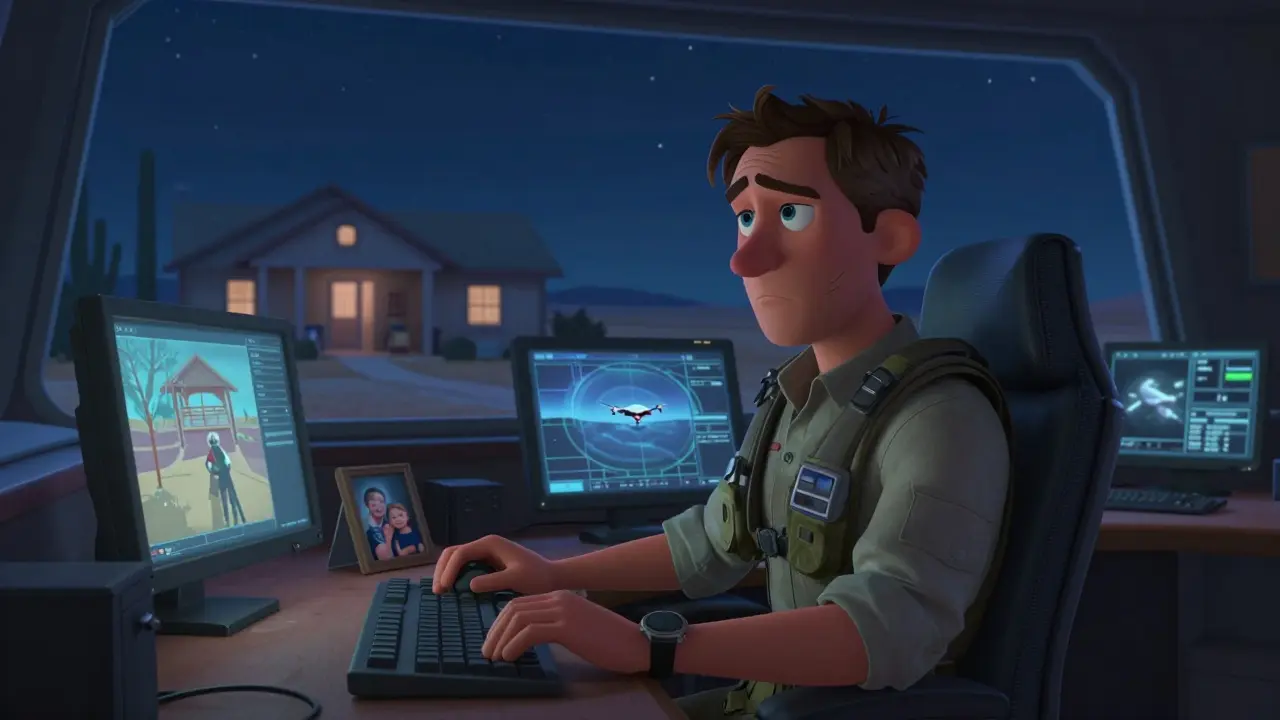
Think about his role in Good Kill (2014). He played a drone pilot who kills people from a screen in Nevada, while his own family waits for him at home. He doesn’t scream. He doesn’t cry. He just sits at his desk, stares at the monitor, and goes home to eat dinner. The horror isn’t in the explosions. It’s in his eyes - hollow, numb, trying to pretend he’s still human. That performance didn’t win awards. It didn’t trend on social media. But if you’ve ever felt detached from your own life, you felt him.
He does the same thing in The Last Thing He Wanted (2020), where he plays a cynical journalist who gets pulled into a political mess. He’s not the hero. He’s not the villain. He’s just someone trying to survive a world that doesn’t care if he lives or dies. Again, no monologue. No dramatic turn. Just a man slowly realizing he’s been lied to his whole life. And the silence after that realization? That’s where Hawke lives.
He’s not an actor - he’s a witness
Most actors perform. Ethan Hawke observes. He doesn’t try to impress you. He doesn’t try to be likable. He doesn’t need you to admire him. He just wants you to see the truth - even if it’s ugly, messy, or uncomfortable. That’s why he’s never been a superstar. Superstars need to be perfect. Hawke needs to be real.
He’s not in the top 10 most-followed actors on Instagram. He doesn’t do talk shows to promote his latest film. He writes novels. He directs documentaries. He teaches acting at NYU. He shows up on set early. He stays late. He doesn’t need the spotlight. He needs the material.
Why we keep underestimating him
Here’s the uncomfortable truth: we don’t know how to value quiet brilliance. We reward loudness. We celebrate charisma. We give Oscars to men who cry on stage and thank their mothers. We don’t give them to men who sit in silence and let the audience do the crying for them.
Hawke’s work doesn’t fit the mold. He doesn’t have a signature look. He doesn’t have a catchphrase. He doesn’t have a franchise. He doesn’t need one. His legacy isn’t in box office numbers. It’s in the way a 17-year-old watches Before Sunset and suddenly feels seen. It’s in the way a 45-year-old father watches Boyhood and realizes he’s been absent. It’s in the way a student in Dublin, like me, watches First Reformed and thinks: That’s what it feels like to be alive right now.
He’s not underrated because he’s bad. He’s underrated because we’ve been trained to look for noise. But the most powerful performances don’t shout. They whisper. And if you listen closely, you’ll hear them.
Why is Ethan Hawke considered underrated despite his Oscar nomination?
Ethan Hawke received an Oscar nomination for Training Day in 2001, but he’s never won. More importantly, he rarely plays the kind of roles that award voters reward - big, emotional, showy parts. He chooses subtle, internal performances that don’t grab headlines. He doesn’t do red carpet interviews or viral moments. His work lingers in quiet moments, not in trending clips. So while critics know his value, mainstream audiences and award bodies often overlook him because he doesn’t fit the mold of what’s considered "award-worthy."
What makes Ethan Hawke’s acting different from other leading men?
Most leading men perform with confidence - they’re in control, charismatic, always one step ahead. Hawke performs with uncertainty. He lets his characters stumble, hesitate, and break. He doesn’t fix their pain - he shows it. His voice cracks. His eyes look away. He doesn’t deliver monologues; he whispers them. This makes his performances feel lived-in, not acted. He’s not trying to win you over. He’s trying to tell you the truth - even when it’s hard to hear.
Is Ethan Hawke more respected by critics than audiences?
Yes. Critics consistently rank him among the best working actors. He’s praised for his fearlessness, emotional honesty, and willingness to disappear into roles. But audiences often don’t know his name unless they’ve seen Before Sunrise or Boyhood. His films rarely open at number one. He doesn’t market himself. He doesn’t need to. His audience isn’t built on viral clips - it’s built on word-of-mouth, late-night viewings, and people who feel seen by his work.
What’s the best Ethan Hawke movie to start with?
Start with Before Sunrise (1995). It’s the most accessible, emotionally direct, and timeless of his films. If you connect with it, move on to Before Sunset (2004) and Before Midnight (2013) to see how his character - and Hawke himself - evolve over time. If you want something darker, try First Reformed (2017). If you want to see his range, watch Training Day and Boyhood back-to-back. These three films show his full spectrum: romantic idealist, broken father, and haunted soul.
Has Ethan Hawke ever played a villain?
He’s never played a traditional villain - the kind with a mustache and a laugh. But in First Reformed, his character descends into moral chaos. In The Purge: Anarchy, he plays a man who commits violence to survive. In Training Day, he’s complicit in corruption. He doesn’t play evil. He plays people pushed to the edge by systems, grief, or guilt. That’s more terrifying than any cartoon villain.
His career isn’t a highlight reel. It’s a long, slow exhale. And if you’re willing to sit with it - to watch, to listen, to feel - you’ll realize he’s not underrated. He’s just operating on a frequency most people forgot how to tune into.