
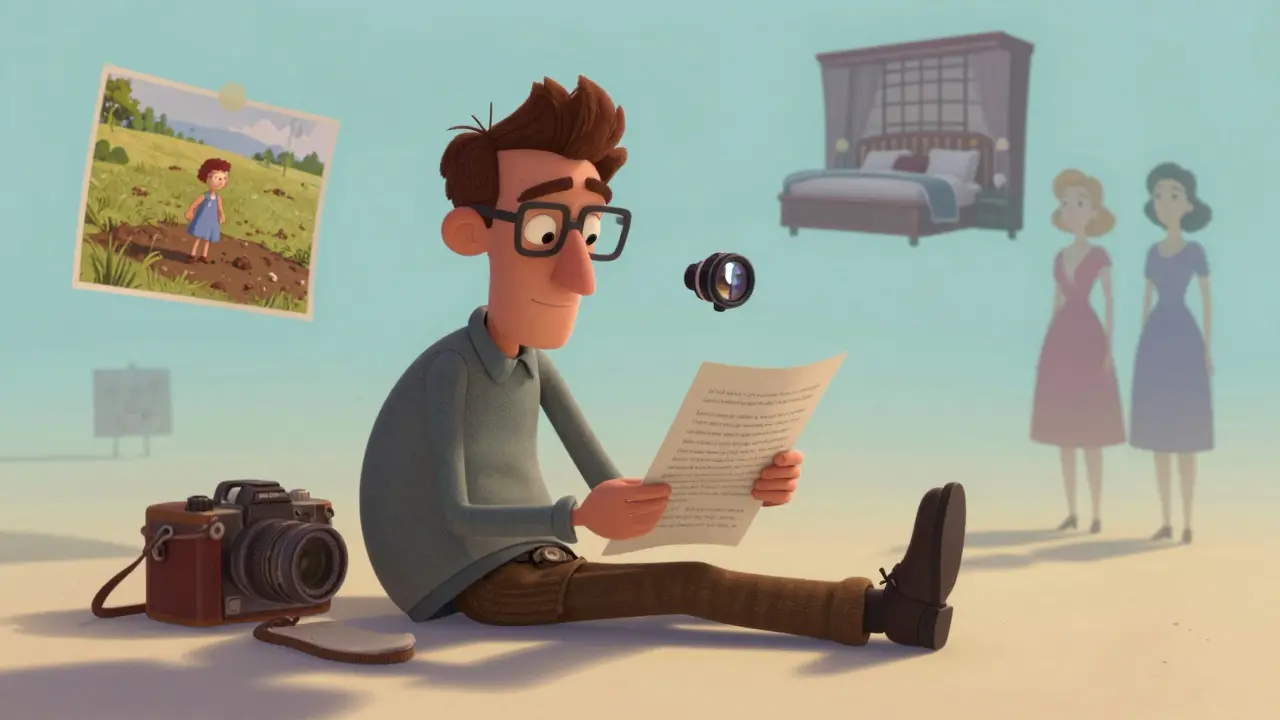
Fellini’s 8½ isn’t just a movie-it’s a mirror held up to the soul of a filmmaker lost in his own head. Released in 1963, it didn’t just break rules; it rewrote the language of cinema. No one had ever made a film about making a film that felt this raw, this honest, this wildly surreal. And yet, here it was: a director drowning in creative block, surrounded by women, producers, critics, and memories, all swirling together in a dreamlike haze. It wasn’t just about art-it was about the cost of art. And it still feels terrifyingly real today.
What 8½ Actually Is (And Isn’t)
At its core, Fellini’s 8½ follows Guido Anselmi, a famous Italian director struggling to start his next movie. He’s surrounded by people who want things from him: a producer needs a script, his wife wants attention, his mistress wants commitment, and his muse wants to be seen. But Guido can’t write. He can’t focus. He escapes into memories, fantasies, and hallucinations. The line between reality and imagination doesn’t just blur-it evaporates.
It’s not a biography, though it’s deeply personal. Federico Fellini was going through his own creative crisis when he made it. He’d just finished La Dolce Vita, a massive hit, and was paralyzed by expectations. He didn’t set out to make a masterpiece-he set out to make sense of his own chaos. The result? A film that doesn’t explain itself. It doesn’t need to. You feel it.
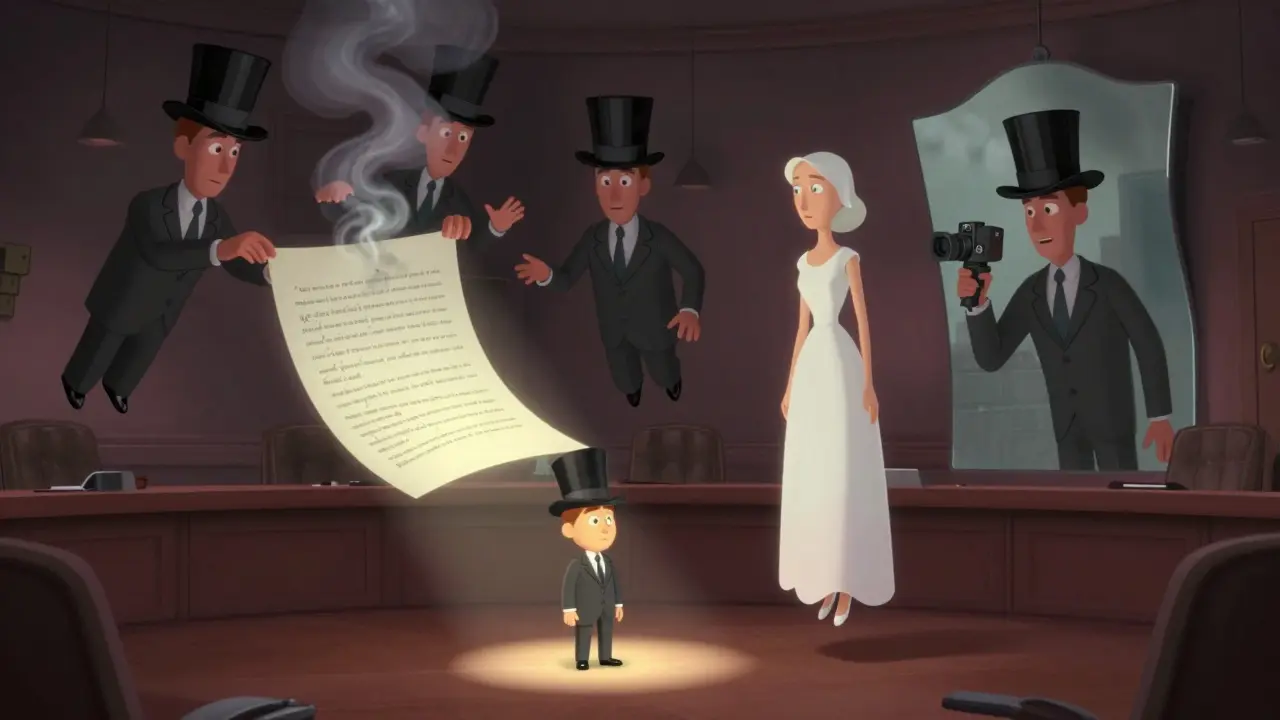
There’s no traditional plot. No three-act structure. No tidy ending. Instead, you get fragments: a childhood memory of a muddy field, a dream of floating above a hotel, a surreal boardroom full of men in top hats arguing about God. These aren’t distractions-they’re the point. The film is a direct window into Guido’s mind. And by extension, into Fellini’s.
Why It Was Revolutionary
Before 8½, films about filmmaking were mostly behind-the-scenes comedies or studio exposés. Think The Player or Day for Night-they’re clever, but they’re still stories about making movies. 8½ didn’t just show the process. It made the process the subject. The camera doesn’t just film Guido-it becomes part of his anxiety. The crew’s voices echo in his head. The set becomes a stage for his guilt. The actors aren’t playing characters-they’re playing versions of real people who’ve haunted him.
It was the first major film to treat the director’s inner world as cinematic material. No one had ever shown a man’s panic over a blank page as visually rich as this. The way Fellini uses color-pastel blues and dusty yellows-doesn’t just set a mood. It mirrors Guido’s mental state. The white hotel rooms feel sterile. The dusty streets of his childhood feel warm, alive, real. The film doesn’t just tell you he’s stuck-it makes you feel it.
It also broke the fourth wall without ever saying a word. Guido looks directly into the camera. The audience becomes his confessor. You’re not watching a movie-you’re sitting across from him at a café, sipping espresso while he tries to explain why he can’t work. That intimacy was unheard of in 1963. Even today, few films dare to be this vulnerable.
The Women in 8½: Not Just Muses, But Mirrors
Women in 8½ aren’t side characters. They’re the anchors of Guido’s emotional world-and his guilt. His wife Luisa (Anouk Aimée) is calm, patient, and quietly furious. She doesn’t yell. She doesn’t beg. She just exists, and that’s worse. She’s the voice of reality he’s running from.
Then there’s Carla (Sandra Milo), his mistress-loud, sexy, demanding. She represents the fantasy he can’t escape. And Claudia (Claudia Cardinale), the ethereal muse who floats in and out of his dreams, is neither real nor fantasy. She’s the ideal he can’t reach. She doesn’t speak much. She doesn’t need to. Her presence alone makes him feel inadequate.
Fellini didn’t portray women as stereotypes. He showed them as people who loved him, expected things from him, and were crushed by his inability to be present. These aren’t archetypes-they’re survivors. And Guido, for all his genius, is a coward. He doesn’t know how to love them. He doesn’t know how to be honest. And that’s the real tragedy of the film.
The Ending: Not a Resolution, But a Release
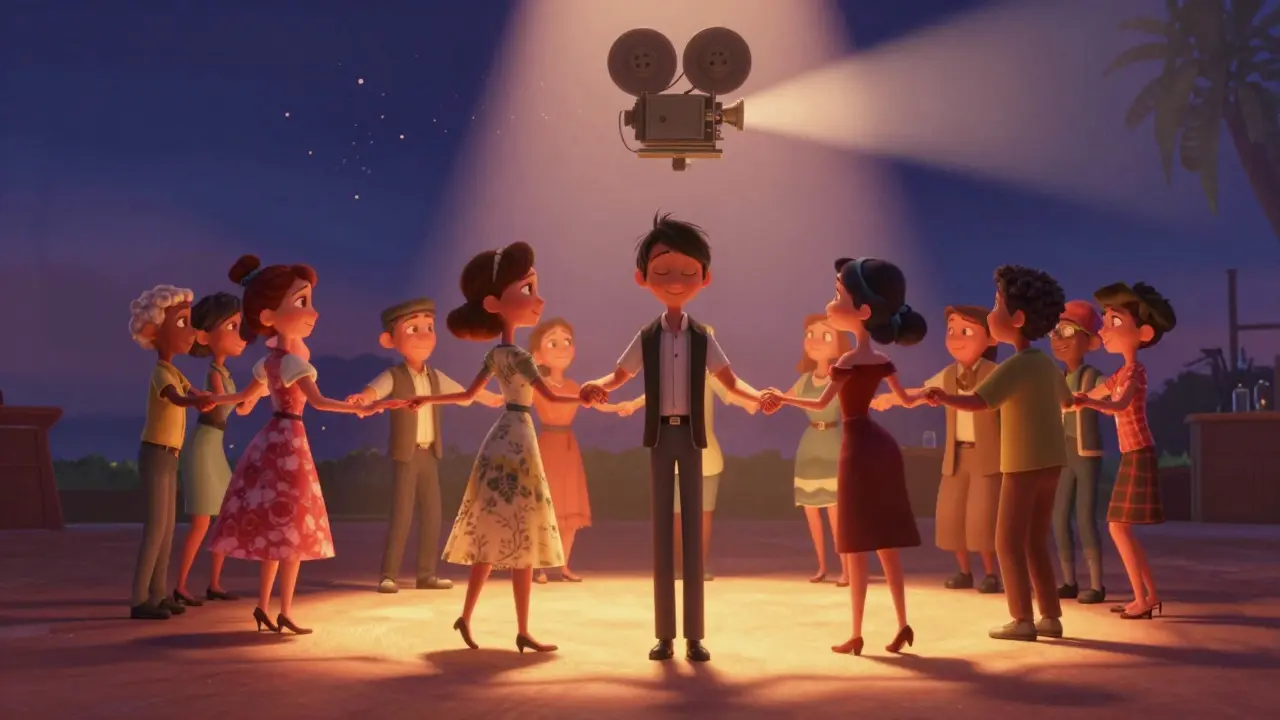
The final scene is one of the most famous in cinema history. Guido, surrounded by the people who’ve tormented him, steps into a circle on the film set. They hold hands. They dance. No one speaks. No one argues. For the first time, they’re not demanding anything from him. They’re just there. And he’s finally at peace.
It’s not a happy ending. He hasn’t fixed his movie. He hasn’t fixed his marriage. He hasn’t become a better man. But he’s accepted that he’s not in control. And that’s the breakthrough. The film doesn’t end with a script. It ends with a dance. A simple, human gesture. No grand revelation. No moral. Just presence.
That’s what makes 8½ timeless. It doesn’t offer answers. It offers a feeling. The feeling of being overwhelmed. Of being lost. Of being afraid you’re not enough. And then, somehow, finding a way to move forward anyway.
Why It Still Matters Today
Look at today’s filmmakers. Directors like Greta Gerwig, Noah Baumbach, and Paul Thomas Anderson all carry 8½ in their DNA. They don’t just make stories-they make stories about making stories. Frances Ha, Marriage Story, The Master-they all echo Fellini’s confessionals. But none of them would exist without this film.
Even in TV, the trend is clear. Shows like Succession, The Bear, and Barry aren’t just about careers-they’re about the mental toll of creativity. The anxiety. The loneliness. The fear of being exposed as a fraud. That’s 8½ in 2026.
And it’s not just filmmakers. Anyone who’s ever sat in front of a blank screen-writer, designer, coder, artist-knows this feeling. You’re not lazy. You’re not broken. You’re just human. And 8½ doesn’t judge you for it. It says: it’s okay to be lost. Just keep moving.
How to Watch It
Don’t watch 8½ like a regular movie. Don’t try to understand every shot. Don’t take notes. Just let it wash over you. Put on headphones. Dim the lights. Turn off your phone. Let the music-Nino Rota’s haunting, nostalgic score-pull you in. The film is 139 minutes long. It feels longer. And that’s the point.
It’s not for everyone. If you need a clear plot, a hero’s journey, or a satisfying payoff, this will frustrate you. But if you’ve ever stared at a blank page and wondered if you’re good enough-this film is for you.
It’s available on Criterion Channel, MUBI, and Apple TV+. Don’t wait for a special occasion. Watch it when you’re tired. When you’re unsure. When you need to remember that even the greatest minds get stuck. And sometimes, that’s where the best art begins.
Is 8½ a true story?
No, but it’s deeply personal. Federico Fellini was going through a creative crisis after the success of La Dolce Vita and used the film to process his fears, relationships, and guilt. Guido Anselmi is a fictional character, but his struggles mirror Fellini’s own. The film is a self-portrait, not a biography.
Why is 8½ considered a masterpiece?
It redefined what a film could be. Before 8½, movies followed strict narrative rules. Fellini broke them all-using dreams, memories, and hallucinations as storytelling tools. It was the first film to treat a director’s inner turmoil as cinematic material. Critics, filmmakers, and audiences alike recognized it as a radical, honest breakthrough. It won the Oscar for Best Foreign Language Film and has stayed on critics’ top 10 lists for over 60 years.
Do I need to know Italian cinema to understand 8½?
No. While it’s part of the Italian neorealist tradition, 8½ transcends its roots. You don’t need to know Rossellini or De Sica to feel Guido’s anxiety. The emotions are universal: creative block, guilt, longing, confusion. The visuals and music carry the story. Subtitles are all you need.
What’s the meaning of the final dance scene?
The dance isn’t about fixing things-it’s about acceptance. Guido stops trying to control his life, his film, or the people around him. For the first time, he’s not demanding anything. He’s simply present. The circle of people holding hands represents community, not perfection. It’s not a happy ending-it’s a human one. And that’s why it’s so powerful.
Is 8½ hard to watch?
It’s not hard because it’s confusing-it’s hard because it’s honest. It doesn’t spoon-feed you. It doesn’t explain every dream or memory. But if you let go of needing answers, you’ll find it deeply moving. Many viewers say they didn’t get it the first time, but it stayed with them. Watch it again. It rewards patience.