
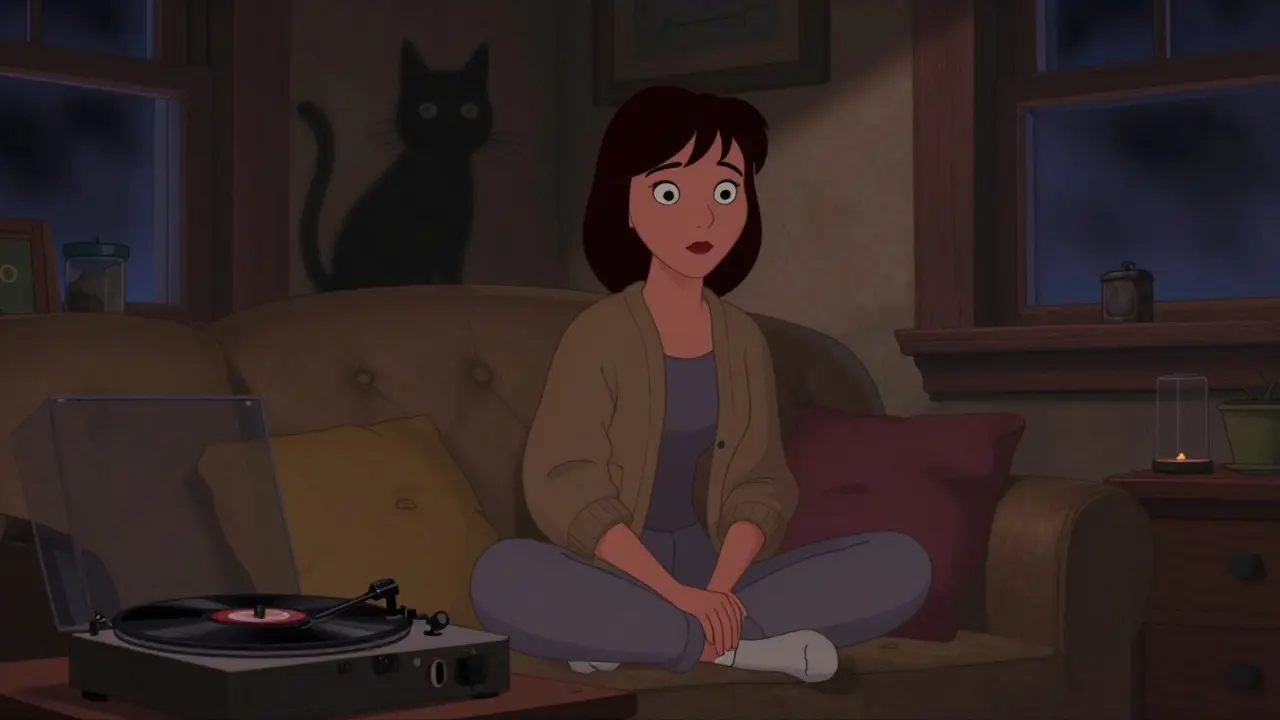
When a slasher film kicks into gear, the rules are simple: the party’s over, the music drops, and someone’s going to die. But not everyone dies. One girl - usually quiet, smart, and wearing sweatpants - walks out alive. She’s not a hero. She’s not a warrior. She’s the final girl.
What Exactly Is the Final Girl?
The final girl isn’t just the last person standing. She’s a specific archetype born in the 1970s and locked into horror’s DNA by the 1980s. She’s the one who doesn’t sleep around, doesn’t do drugs, and usually has a dog or a younger sibling to protect. She’s often the one who finds the body first. She’s the one who turns off the TV when the scary movie starts. And when the killer shows up, she’s the one who survives.
Carol Clover, a film scholar, coined the term in her 1992 book Men, Women, and Chain Saws. She noticed a pattern: in slasher films, the final survivor was almost always female. Not because she was stronger. Not because she was luckier. But because she was the least likely to be seen as a threat - and that’s exactly why she won.
The Original Blueprint: Laurie Strode in Halloween (1978)
Before there was Scream, before there was Friday the 13th, there was Laurie Strode. Played by Jamie Lee Curtis, she wasn’t a fighter. She didn’t have a black belt. She didn’t carry a knife. She was a high school student who babysat, did homework, and listened to classical music. When Michael Myers showed up, she didn’t scream and run. She hid. She watched. She waited.
Her survival wasn’t about strength. It was about awareness. She noticed the cat was gone. She saw the empty house. She remembered the rumors. She didn’t ignore the signs. And when the moment came, she didn’t panic - she used a coat hanger to disable the killer’s weapon. Then she ran. And she kept running until help arrived.
That’s the original final girl formula: intelligence over aggression, observation over action, stillness over noise.
The 1980s: The Final Girl Goes to Camp
By the time Friday the 13th hit theaters in 1980, the final girl had evolved. Alice in the first film was quiet, smart, and resourceful - but she didn’t survive. It was her replacement, Ginny, who made it out. And then came Crystal in Friday the 13th Part 2. Then Tina in Part 3. Each one was more physically capable than the last.
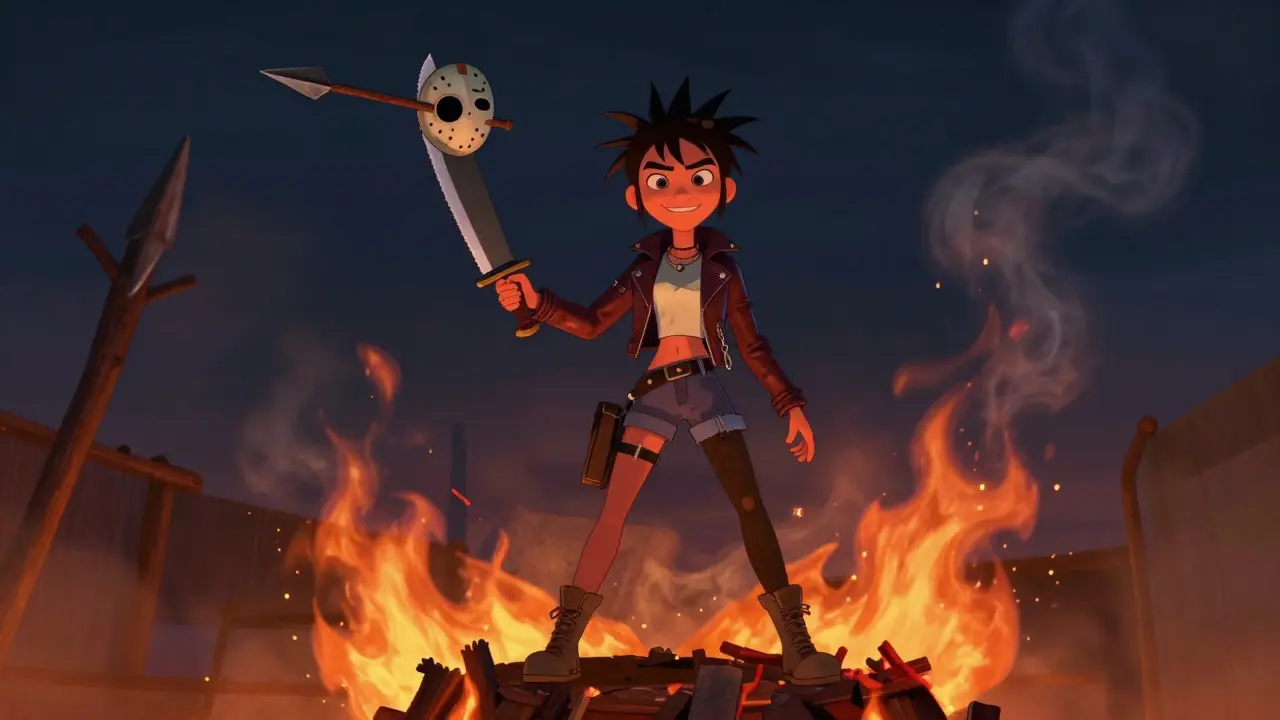
This was the shift. The final girl wasn’t just surviving anymore. She was fighting back. She started using tools. A machete. A spear. A fireplace poker. She started winning fights. She started getting revenge.
By Friday the 13th Part VI: Jason Lives (1986), the final girl - a punky, sarcastic teen named Tanya - didn’t just survive. She lured Jason into a trap, stabbed him through the eye, and watched him burn. The final girl was no longer passive. She was becoming a warrior.
The 1990s: Self-Awareness and Satire
The 1990s changed everything. Scream (1996) didn’t just use the final girl - it mocked her. Sidney Prescott, played by Neve Campbell, was the classic final girl: quiet, responsible, traumatized. But she knew the rules. She quoted horror movies. She called out the clichés.
“You don’t have to die,” she tells her boyfriend. “You’re not even on the list.”
For the first time, the final girl wasn’t just surviving the killer - she was surviving the genre itself. The movie didn’t treat her as a victim. It treated her as a person who understood how horror worked. And that made her stronger.
That same year, I Know What You Did Last Summer gave us Julie, who survived by lying, manipulating, and outsmarting. She didn’t fight with a weapon. She fought with truth.
The 2000s: The Final Girl Gets a Makeover
The 2000s brought remakes. Halloween (2007) gave us a new Laurie Strode - younger, more emotional, more vulnerable. Friday the 13th (2009) gave us a final girl who was a party girl. She smoked. She drank. She had sex. And she still lived.
This was the breaking point. The rules were crumbling. The final girl didn’t have to be pure. She didn’t have to be innocent. She didn’t even have to be nice.
In When a Stranger Calls (2006), the final girl was a college student who used her phone to record the killer. In My Soul to Take (2010), she was a teenager who outwitted a serial killer using psychology. The final girl was no longer defined by what she didn’t do. She was defined by what she did.
The 2010s and Beyond: The Final Girl as Icon
By the 2010s, the final girl wasn’t just a character. She was a symbol. It Follows (2014) gave us Jay, a girl who survived not by fighting, but by running - and by accepting that some things can’t be killed. Hereditary (2018) gave us Annie, who didn’t survive because she was good. She survived because she was broken - and broken things don’t follow rules.
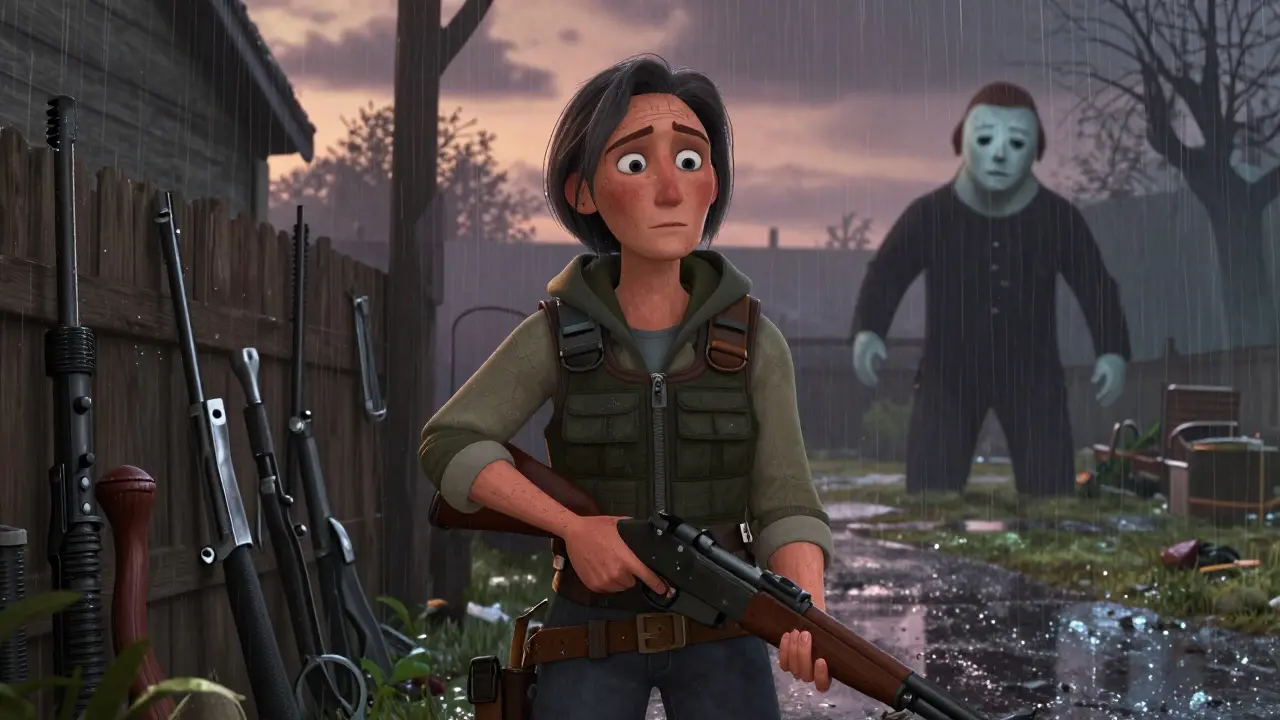
And then came Halloween (2018) - the direct sequel to the 1978 original. Laurie Strode, now in her 60s, is a hardened survivor. She owns guns. She trains. She plans. She doesn’t wait for help. She hunts the killer.
This version of the final girl doesn’t just survive. She ends the story. She kills Michael Myers. She doesn’t run. She finishes what she started 40 years ago.
Why the Final Girl Matters
The final girl isn’t just a horror cliché. She’s a mirror. In the 1970s, she represented female restraint in a male-dominated world. In the 1980s, she became a symbol of female resilience. In the 1990s, she became a critique of genre tropes. In the 2020s, she’s a survivor who refuses to be erased.
She’s the reason Halloween still matters. The reason Scream still works. The reason we still care who lives and who dies.
She’s not a damsel. She’s not a martyr. She’s not a victim.
She’s the one who outlasted the nightmare.
How the Final Girl Changed the Rules of Horror
Before the final girl, horror films killed everyone. No one escaped. The monster won. The final girl changed that. She made survival possible. And once survival was possible, horror became personal.
Her survival wasn’t random. It was earned. It required emotional intelligence. It required patience. It required knowing when to hide - and when to strike.
Modern horror still uses her. In Smile (2022), the final girl doesn’t fight the monster. She talks to it. She understands it. She lets it in - and then she burns it down.
She’s not the same as she was in 1978. But she’s still the final girl.
Who Are the Modern Final Girls?
Here are five modern final girls who redefine the trope:
- Sidney Prescott (Scream series) - The self-aware survivor who breaks the rules by knowing them.
- Laurie Strode (Halloween 2018) - The aged warrior who turns trauma into strategy.
- Jay (It Follows) - The girl who survives by accepting the inevitable.
- Andie (They/Them, 2023) - A queer teen who outsmarts a conversion camp killer using logic and community.
- Emily (Smile, 2022) - The final girl who survives not by fighting, but by surrendering - then destroying.
Each one is different. But they all share one thing: they refuse to be defined by their fear.
What the Final Girl Teaches Us About Survival
The final girl isn’t just a movie character. She’s a lesson.
She teaches us that survival isn’t about strength. It’s about awareness.
It’s about noticing when something’s off. It’s about trusting your gut. It’s about not ignoring the quiet moments before the scream.
She’s not perfect. She’s scared. She cries. She freezes. But she doesn’t give up.
And that’s why, no matter how many slasher films come out, we’ll always root for the final girl.
Because she’s not just the last one standing.
She’s the one who made it through.
Who created the final girl trope?
The term "final girl" was coined by film scholar Carol Clover in her 1992 book Men, Women, and Chain Saws. She analyzed slasher films from the 1970s to the 1990s and noticed a pattern: the last surviving character was almost always a young woman who avoided the behaviors that led others to die. While the trope existed before her writing - with Laurie Strode in Halloween (1978) as its clearest early example - Clover was the first to name and define it.
Why is the final girl usually a woman?
The final girl is usually a woman because horror films historically used male viewers as their default audience. The killer targets women who are sexually active or reckless, while the final girl - often chaste, cautious, and emotionally grounded - represents a "safe" female identity. But over time, this became more than a trope. It became a subversion. The final girl survives not because she’s innocent, but because she’s observant. Her gender isn’t a weakness - it’s her advantage. She’s underestimated. And that’s how she wins.
Can a man be the final girl?
Technically, no - the term "final girl" is gender-specific. But the role can be filled by anyone. In Alien (1979), Ellen Ripley is the final girl in every way except her gender. In Hereditary (2018), Charlie’s brother Peter briefly takes on the role, but he’s not the true survivor. Modern horror has started to blur the lines - characters like the protagonist in They/Them (2023) are non-binary survivors who embody the final girl’s traits: intelligence, emotional resilience, and strategic thinking. The trope is evolving beyond gender, but the name hasn’t caught up yet.
Do all slasher films have a final girl?
No. Some slasher films kill everyone. The Texas Chain Saw Massacre (1974) ends with a lone survivor - but it’s a man. Black Christmas (1974) ends with no survivors. Some films subvert the trope on purpose. Slither (2006) ends with a couple escaping together. Happy Death Day (2017) has a final survivor, but he’s a guy who learns to change. The final girl is a common pattern, not a rule. The genre plays with expectations - and sometimes, it breaks them.
Why do audiences still love the final girl?
Because she’s real. She’s not a superhero. She doesn’t have a plan. She’s scared, confused, and alone. But she keeps going. She doesn’t give up. And that’s what makes her inspiring. We root for her because we’ve all had moments when we were the only one left - when the noise stopped, the lights went out, and we had to decide: run, hide, or fight. The final girl reminds us that survival isn’t about being brave. It’s about being stubborn.