
Ever watched a scene and just felt it? Like the actor wasn’t performing-they were living it? That’s not magic. It’s craft. And film critics don’t just say "great performance." They break it down. Here’s what they actually look for when they judge acting in a film.
Subtext Over Dialogue
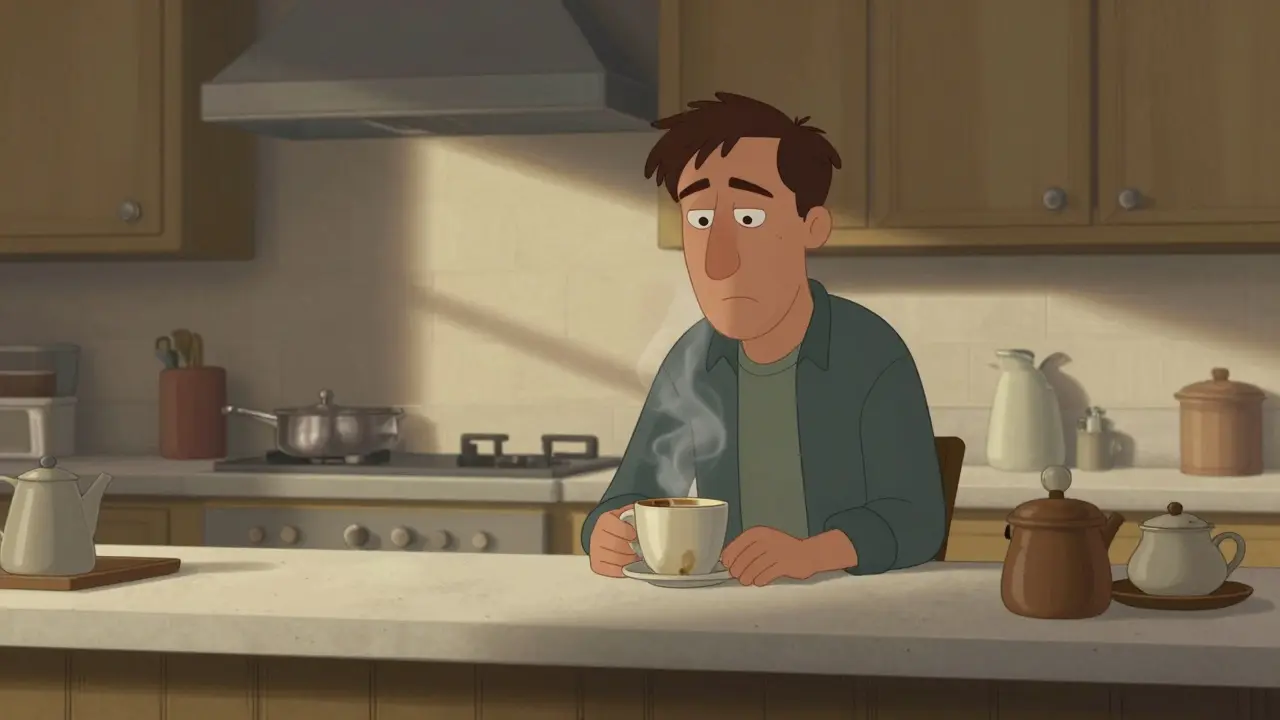
What an actor says matters. But what they don’t say? That’s where the real performance hides. Critics watch for the spaces between lines. A pause. A glance away. A tightening of the jaw. These aren’t accidents. They’re choices. In Manchester by the Sea, Casey Affleck rarely raises his voice. His grief isn’t shouted-it’s carried in the way he holds a coffee cup, the way his eyes slide past people. That’s subtext. When an actor communicates more through silence than speech, critics take notice. It’s not about being quiet. It’s about being precise.
Physicality: The Body Tells the Story
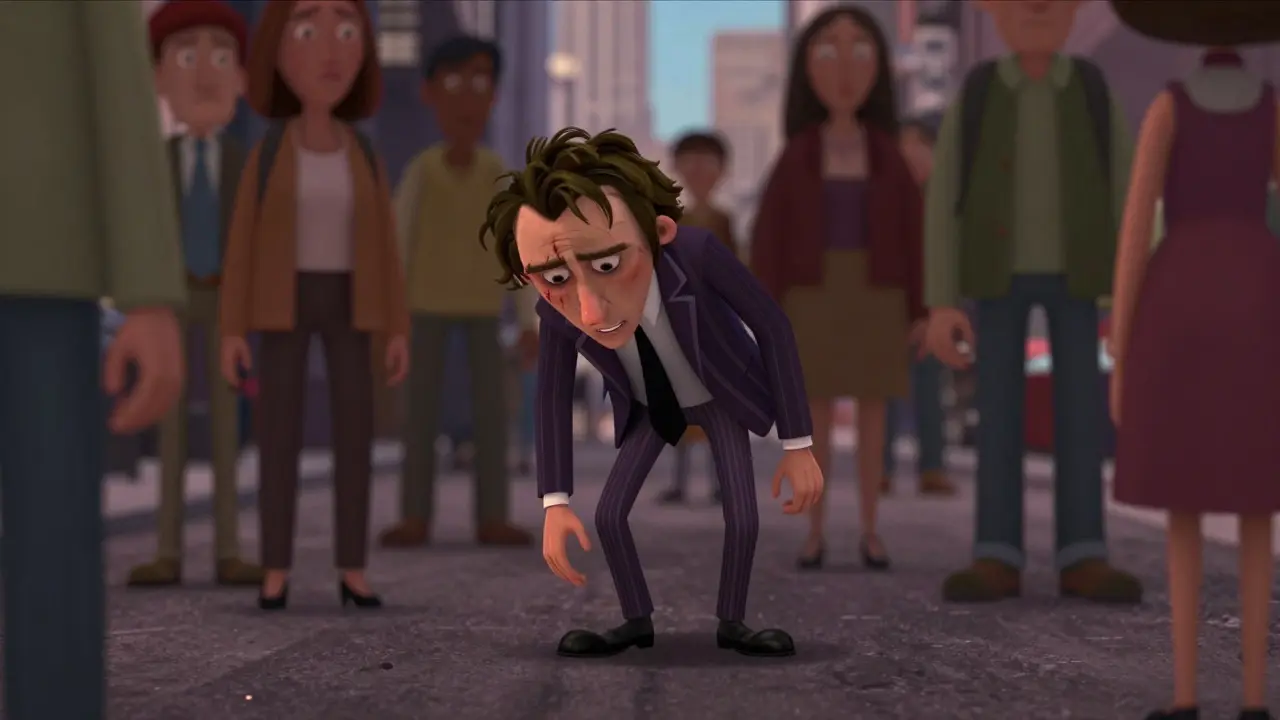
Acting isn’t just about the face. It’s the whole body. The way someone walks, sits, or stands can define a character more than any monologue. Think of Joaquin Phoenix in Joker. His posture, the shuffle of his feet, the way his hands twitch-it all builds Arthur Fleck’s unraveling identity. Critics track physical shifts across a film. Did the actor change their gait as the character changed? Did their posture soften or harden over time? These aren’t just details. They’re evidence of deep character work. A great performance leaves a physical imprint.
Emotional Authenticity, Not Just Intensity
Big tears. Loud screams. Dramatic breakdowns. These get attention. But critics know intensity doesn’t equal authenticity. A performance that feels real doesn’t always feel loud. Think of Sally Hawkins in The Shape of Water. She doesn’t speak. Her emotions are carried in her eyes, her hands, the tilt of her head. Critics ask: Does this feel like something that happened? Or does it feel like someone was told to "be sad"? The best performances feel inevitable-not staged. They come from inside, not from a director’s instruction sheet.
Consistency Within the Character’s World
A character doesn’t act like a real person unless they stay true to their own rules. Critics check: Does this person react the same way to fear? To joy? To rejection? In Marriage Story, Adam Driver’s Charlie swings between rage and tenderness-but never loses his core. He’s still the same man who once wrote a love letter in the middle of a fight. Critics look for that internal logic. A performance that jumps from one emotional style to another without reason feels fake. Consistency doesn’t mean boring. It means believable.
Reaction Shots: The Hidden Performance
Most actors focus on their own lines. The great ones know the real gold is in watching others. Reaction shots are where many performances are won or lost. Look at Viola Davis in Fences. When Denzel Washington’s character rages, Davis doesn’t scream back. She doesn’t even move much. But her eyes? They tell you everything-fear, exhaustion, love, resignation. Critics watch these moments like hawkers. A great reaction doesn’t need a line. It needs truth. If you can’t feel what the character is feeling just by watching their face during someone else’s scene, the performance is incomplete.
Chemistry: It’s Not Just About Love Scenes
Chemistry isn’t just about romantic pairs. It’s about every interaction. Is there tension between siblings? Between coworkers? Between a parent and child? In The Father, Anthony Hopkins and Olivia Colman don’t share a single kiss. But their scenes crackle with history, resentment, and love. Critics don’t just ask: "Do they like each other?" They ask: "Do you believe this relationship exists outside this film?" Real chemistry doesn’t come from casting. It comes from listening. When actors truly hear each other, the audience feels it.
Transformation Without Disguise
Weight gain. Prosthetics. Accents. These are tools. But critics don’t care about them unless they serve the character. A transformation that feels like a costume doesn’t impress. A transformation that feels like a revelation does. Consider Renée Zellweger in Judy. She didn’t just mimic Judy Garland’s voice. She found the tremor beneath it-the fear, the vulnerability, the fight. Critics look for the soul behind the surface. If you’re watching the makeup and not the person, the performance failed.

Controlled Vulnerability
The most powerful performances aren’t the ones where the actor breaks down. They’re the ones where they hold it together-and you can feel the strain. Think of Tilda Swinton in We Need to Talk About Kevin. She doesn’t scream. She doesn’t cry. She sits. She stares. And you feel every ounce of guilt, grief, and terror she’s burying. Critics value restraint. A performance that shows control, even under pressure, feels more human than one that spills everything. It’s not about holding back. It’s about letting the audience feel what’s being held.
Context Matters: The Film, Not Just the Actor
You can’t judge an acting performance in a vacuum. A brilliant turn in a weak script might still feel hollow. A quiet performance in a strong film might be genius. Critics always ask: "Does this performance serve the story?" A character who’s supposed to be emotionally closed-off but delivers a 10-minute monologue? That’s a mismatch. A performance that feels too big for the film’s tone? That’s a flaw. The best acting doesn’t shout-it fits. It breathes with the film.
What Critics Don’t Look For
They don’t care if you think the actor "looked like" the real person. They don’t care if you cried. They don’t care if it went viral on TikTok. They care about craft. Did the actor make choices? Were those choices consistent? Did they serve the character and the story? A performance can be technically flawless and still feel empty. Or it can be rough around the edges and still feel alive. Critics are looking for the latter.
How to Start Analyzing Performances Yourself
You don’t need a degree. You just need to watch differently. Next time you watch a film:
- Turn off the sound. Watch only the actor’s body and face. What do you see?
- Watch their reaction shots. Who are they looking at? What’s in their eyes?
- Notice the small things: how they breathe, how they hold a glass, how they pause before speaking.
- Ask: Does this feel real-or does it feel like acting?
- Compare two scenes from the same actor in different films. How do they change?
There’s no checklist. No formula. But if you watch with curiosity-not judgment-you’ll start seeing what critics see. And you’ll start to understand why some performances stick with you long after the credits roll.