
Music documentaries don’t just show performances-they pull back the curtain on the people behind the songs. Some capture raw energy. Others reveal painful truths. A few even change how we see artists forever. If you’ve ever sat through a concert film and felt something shift inside you, you know what these films can do. Not all music docs are created equal. Some feel like glorified fan videos. Others stick with you for years. Here’s the real ranking-no fluff, no filler-just the ones that matter.
Stop Making Sense (1984)
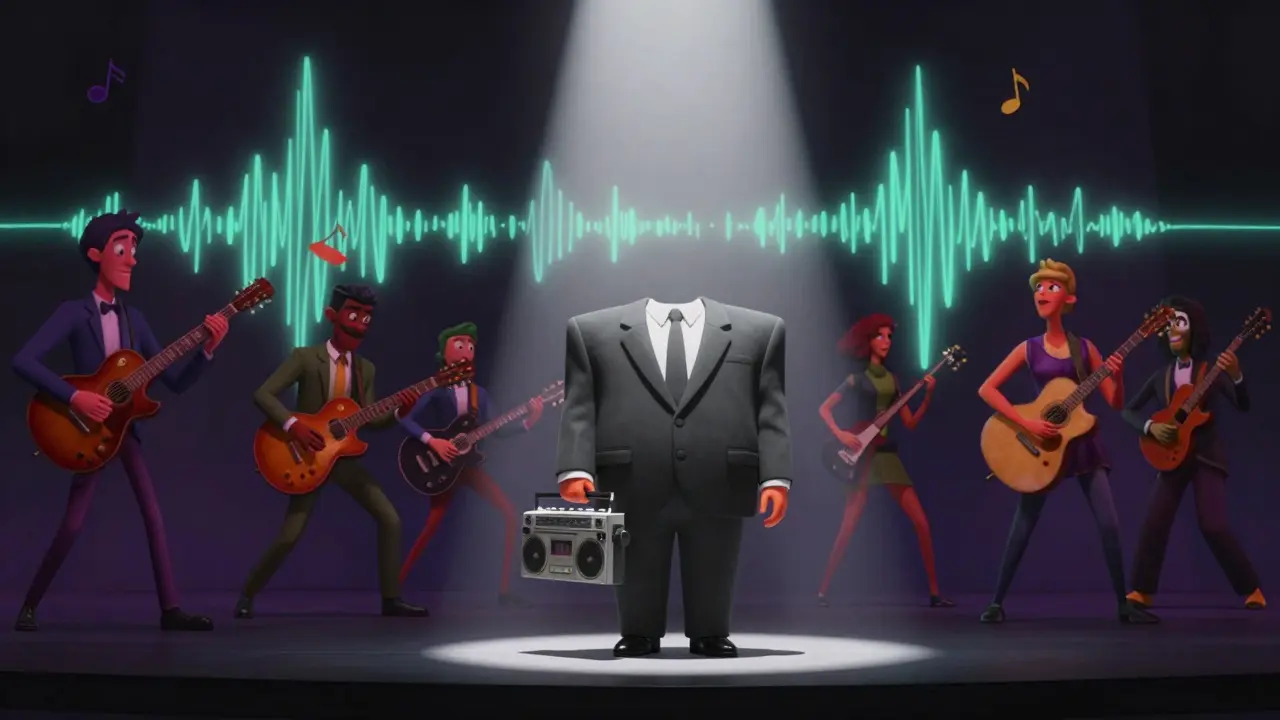
Jonathan Demme’s Stop Making Sense isn’t just the best concert film ever made. It’s the reason concert films exist. Shot over three nights in 1983 at the Hollywood Pantages Theatre, it follows Talking Heads as they build a show from nothing. David Byrne walks on stage alone, with a boombox. He puts on a giant suit. By the end, the stage is packed with musicians, dancers, and a full band. The energy isn’t forced. It’s earned. Every note, every step, every pause feels alive. No interviews. No talking heads. Just music, movement, and mastery. It’s a 100-minute masterclass in performance. Critics called it perfect. Fans still quote lines like, "This is not a dream." And they’re right-it’s not.
Amy (2015)
Amy Winehouse’s story was already public. But Amy turned it into something unbearable to watch-and impossible to look away from. Director Asif Kapadia used never-before-seen home videos, phone recordings, and paparazzi footage to piece together her life. No talking heads. No experts. Just Amy’s voice, her music, and the people who loved her too late. The film doesn’t blame addiction. It shows how fame, media, and family pressure turned her into a spectacle. You see her laugh in the studio. You see her cry in hotel rooms. You see her try to get clean. And then, you see her fail. It’s heartbreaking not because she died, but because you realize she never got to be just a person. She was always a headline.
What’s Happening! The Beatles in the U.S.A. (1964)
Before reality TV, there was this. Shot during The Beatles’ first U.S. tour, this documentary catches four young men from Liverpool as they get swallowed by chaos. Cameras follow them on planes, in hotel rooms, at press conferences. You see John Lennon make a joke about Jesus. You see Ringo Starr fall asleep mid-interview. You see fans screaming so loud the microphones can’t pick up the music. It’s raw. It’s messy. And it’s the first real look at what mass fandom does to artists. This isn’t a polished product. It’s a time capsule. You can feel the sweat, the fear, the wonder. It’s not about the music-it’s about what happens when the world suddenly loves you too much.
20 Feet from Stardom (2013)
Who sings the backup? Who harmonizes so perfectly you don’t notice they’re there? 20 Feet from Stardom introduces you to the unsung voices behind legends. Darlene Love. Merry Clayton. Lisa Fischer. These women sang on records that sold millions, but never got their own albums. The film follows their careers-some lasted decades in obscurity. One singer says, "I didn’t want to be famous. I just wanted to sing." But the system didn’t let them. It shows how race, gender, and industry politics kept talented people on the sidelines. It’s not just about music. It’s about dignity. And it’s one of the few docs that makes you angry-and then hopeful.
Beetlejuice (1988) - Wait, No. That’s Not Right.
Hold on. You thought we were listing Beetlejuice? We’re not. That’s a horror-comedy. But if you’re mixing up music docs with fictional films, you’re not alone. Many people confuse concert films with narrative biopics. Bohemian Rhapsody? That’s a dramatization. Get On Up. Same thing. Real music docs don’t cast actors. They use real footage. Real voices. Real pain. That’s why Stop Making Sense and Amy work. They’re not pretending. They’re showing you what happened.
The Last Waltz (1978)
Directed by Martin Scorsese, The Last Waltz was meant to be The Band’s farewell concert. What it became was a who’s who of rock history. Bob Dylan. Neil Young. Joni Mitchell. Eric Clapton. Van Morrison. They all showed up. The lighting was cinematic. The sound was pristine. But the real magic? The quiet moments between songs. Robbie Robertson’s voice cracking as he thanks his bandmates. Levon Helm wiping sweat off his brow. The camera lingers on their hands as they play. This isn’t a celebration. It’s a eulogy. And it’s beautiful.
Some Great Ones That Almost Made the List
- My Kid Could Paint That (2007) - A disturbing look at fame, manipulation, and a child artist. Not about music, but the psychology behind it hits hard.
- Searching for Sugar Man (2012) - A man who vanished, then became a legend in South Africa. The mystery? The music? The silence? Perfect.
- Miss Americana (2020) - Taylor Swift’s raw, unfiltered rise. She talks about eating disorders, political silence, and rewriting her identity. It’s intimate.
- Kurt Cobain: Montage of Heck (2015) - Home videos, scribbled lyrics, cassette tapes. It’s messy. It’s personal. It’s the closest we’ll ever get to knowing him.
What Makes a Music Documentary Work?
Not every concert film deserves to be called a documentary. A real one needs three things: authenticity, access, and context.
Authenticity means no reenactments. No actors. No scripted interviews. Just real moments. Amy got this right. Stop Making Sense didn’t even need words.
Access means the filmmakers got behind the scenes. Not just onstage. In the dressing room. On the tour bus. In therapy sessions. The best docs let you see what the public never does.
Context is the hardest. Why does this matter? Why now? 20 Feet from Stardom didn’t just show singers-it showed why the industry kept them invisible. That’s context.
Most music docs fail because they focus on the music alone. But music doesn’t exist in a vacuum. It’s shaped by trauma, power, race, money, and fame. The best docs show that.
Where to Watch These
You won’t find all of these on Netflix. Stop Making Sense is on Max. Amy is on Apple TV+. The Last Waltz is on Criterion Channel. 20 Feet from Stardom is on Prime Video. Some are only available on physical media. If you’re serious about music docs, you’ll need more than one streaming service. Don’t settle for whatever’s on the homepage. Dig deeper. Search the titles. You’ll find them.
Why This Matters Now
In 2026, music is more fragmented than ever. TikTok clips replace albums. Algorithms decide what you hear. But these films remind us: music is human. It’s messy. It’s loud. It’s painful. It’s beautiful. And it’s worth remembering.
When you watch Stop Making Sense, you don’t just hear David Byrne. You feel him. When you watch Amy, you don’t just hear her voice-you hear the silence she was left with. That’s the power of these films. They don’t just show music. They show the people who made it. And sometimes, that’s the only thing that matters.
What’s the difference between a concert film and a music documentary?
A concert film captures a live performance-usually with minimal editing. Think of it as a recorded show. A music documentary tells a story. It includes interviews, behind-the-scenes footage, historical context, and often explores the artist’s life, struggles, or impact. Stop Making Sense is a concert film. Amy is a documentary. One shows the performance. The other shows the person behind it.
Are all music documentaries based on real footage?
Not all. Some, like Bohemian Rhapsody or Get On Up, use actors to reenact events. These are biopics, not documentaries. True music documentaries rely on real footage: home videos, archival interviews, concert recordings, and personal letters. If you see an actor playing Kurt Cobain or Janis Joplin, you’re watching a drama-not a documentary.
Why is Stop Making Sense considered the greatest music documentary?
Because it doesn’t need words. It doesn’t explain the music. It doesn’t interview the band. It just shows them creating something extraordinary in real time. The lighting, the choreography, the sound design-all of it works together to make you feel like you’re there. It’s a perfect fusion of art and performance. No other film has captured that level of live energy without relying on nostalgia or narration.
Can music documentaries change how we view artists?
Absolutely. Amy didn’t just tell us about Amy Winehouse’s addiction-it showed how the media and industry enabled it. 20 Feet from Stardom made us realize how many legendary voices went unrecognized. These films don’t just inform. They reframe. They challenge what we thought we knew. And that’s rare.
Where can I find older music documentaries like The Last Waltz?
Many older docs aren’t on mainstream platforms. The Last Waltz is available on Criterion Channel. What’s Happening! The Beatles in the U.S.A. can be found on YouTube through official archives. Some are only on DVD or Blu-ray. If you’re serious, check specialty retailers like MVD Shop or the Criterion Collection. Streaming services rotate content, but physical media doesn’t disappear.