
Paul Verhoeven doesn’t make movies. He throws grenades wrapped in glitter. His films don’t just show violence-they mock the way we consume it. They don’t just feature media-they expose how media lies to us. And they never take themselves seriously, even when everything on screen is falling apart. That’s the point.
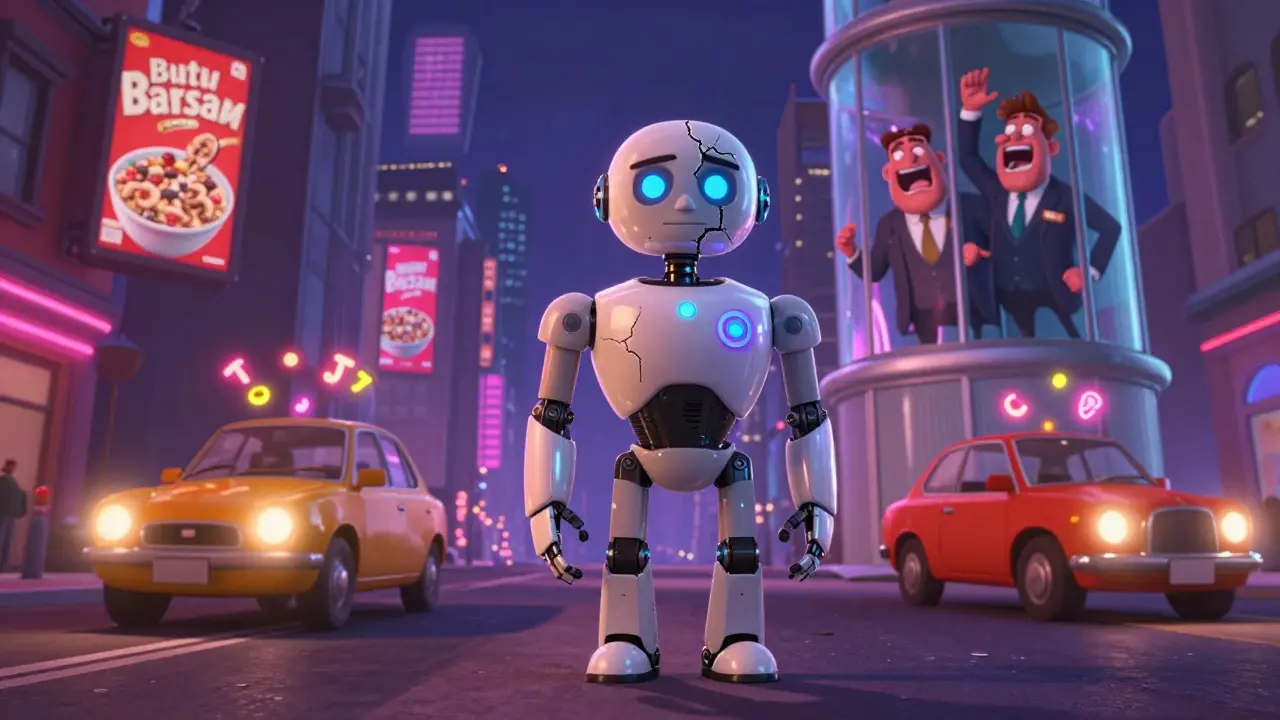
Think about RoboCop. A man gets blown apart, then rebuilt as a cyborg cop who keeps remembering he was once human. The commercials in the background sell breakfast cereal with the same energy as the gunfights. The corporate bosses laugh while their machines kill people. It’s not dystopia. It’s a mirror. And Verhoeven is the guy holding it up, grinning.
Violence Isn’t the Point-It’s the Punchline
Verhoeven’s violence isn’t there to shock. It’s there to make you uncomfortable about why you’re watching it. In Starship Troopers, soldiers get ripped apart by alien bugs. The footage looks like a military recruitment ad. The narration sounds like a 1950s classroom film. The soldiers cheer as they kill. The audience claps. And then you realize: you’re the one being manipulated.
He doesn’t glorify violence. He shows how society does. In Basic Instinct, the murder scenes are eroticized, but so are the interviews, the courtroom drama, the tabloid headlines. The real killer isn’t the woman with the ice pick-it’s the system that turns trauma into entertainment. Verhoeven lets you enjoy the gore, then slaps you with the question: Why did you like that?
Compare this to most action movies. They treat blood as background noise. Verhoeven treats it like a billboard. He knows you’ll watch a man get shot in the face if it’s set to a pop song. So he does it-and then adds a commercial break right after.
Media Is the Villain, Not the Monsters
Verhoeven’s villains aren’t aliens, serial killers, or corrupt CEOs. They’re the TV screens, the news anchors, the ads that tell you what to think. In Showgirls, a young woman climbs the ladder of a Las Vegas show by selling her body. The film looks like a trashy erotic drama. But the real horror? The audience in the film is just as obsessed with spectacle as the people watching Showgirls at home.
He’s not making fun of the characters. He’s making fun of the culture that creates them. The news in RoboCop isn’t reporting facts-it’s selling fear. The anchors smile while reading about body counts. The ratings go up. The corporations win. The citizens? They’re just watching.
Today, this feels more real than ever. TikTok trends turn tragedies into memes. Reality TV turns trauma into branding. Verhoeven predicted this in the 1980s and 90s. He didn’t need AI or algorithms to see the pattern. He just watched TV.
The Irony Is the Only Truth
Verhoeven’s films are built on layers of irony. He uses the language of Hollywood to destroy Hollywood. He casts beautiful actors in grotesque situations. He shoots scenes with the lighting of a romantic comedy while the characters are being torn apart. The result? You don’t know whether to laugh, cry, or look away.
In Elle, a woman is raped in her home. The next scene? She makes coffee. She goes to work. She has sex with her attacker. The film doesn’t explain it. It doesn’t moralize. It just shows it-and lets you squirm. That’s the irony: the most brutal act is treated like a mundane Tuesday. And that’s how real trauma often works. Not with screaming. Not with justice. Just silence and coffee.
Verhoeven doesn’t give answers. He gives reflections. He knows the audience wants a hero. So he gives them a woman who doesn’t cry, a cop who doesn’t remember his name, a soldier who doesn’t question orders. And then he watches you try to make sense of it.
Why His Films Still Hit Hard Today
It’s 2026. We have algorithms that tailor outrage to our feeds. We watch live-streamed violence as entertainment. We scroll past mass shootings to see a dog wearing sunglasses. Verhoeven didn’t just predict this. He warned us with a smirk.
His films work because they don’t preach. They don’t say, “Media is bad.” They say, “Look at what you’re doing.” And when you realize you’ve been cheering for the wrong thing, you don’t feel preached to. You feel exposed.
That’s why RoboCop still feels fresh. Why Starship Troopers is now taught in media studies classes. Why Elle made audiences furious-and then silent. Verhoeven doesn’t want you to like his movies. He wants you to question why you watched them.
What You’re Really Watching
When you watch a Verhoeven film, you’re not just watching a story. You’re watching a psychological experiment. He’s testing how far you’ll go before you realize you’re part of the machine.
He uses Hollywood’s own tools-glamour, action, sex, spectacle-to trap you. Then he pulls the rug out. The hero isn’t noble. The villain isn’t evil. The media isn’t reporting the truth. It’s selling you.
His films are the opposite of escapism. They’re a wake-up call wrapped in a blockbuster. You walk out thinking, “That was insane.” But the real insanity? You laughed. You cheered. You didn’t look away.

Where to Start
If you’ve never seen a Verhoeven film, don’t start with Elle. It’s too raw. Don’t start with Showgirls. It’s too loud. Start with RoboCop. It’s the perfect entry point: action-packed, funny, bloody, and packed with satire you won’t notice until the third watch.
Then move to Starship Troopers. Watch it once for the explosions. Watch it again for the propaganda. Watch it a third time and realize: the soldiers are you.
And if you’re still awake after that? Try Basic Instinct. It’s the most deceptive film he ever made. It looks like a thriller. It’s actually a takedown of how we turn women into monsters to avoid facing our own desires.
Final Thought: He’s Not Making Movies. He’s Making Mirrors.
Paul Verhoeven doesn’t care if you like his films. He cares if you recognize yourself in them. His violence isn’t gratuitous. It’s diagnostic. His media satire isn’t cynical. It’s accurate. His irony isn’t a gimmick. It’s the only way to tell the truth in a world that’s lost the ability to hear it.
He’s the director who made us laugh at a man getting shot-then made us wonder why we laughed. And that’s why, decades later, his work still cuts deeper than any blockbuster ever could.