
Love doesn’t need real people to feel real. Some of the most powerful romance stories in cinema have been told with animated characters - no skin, no voice cracks, no awkward silences. Just emotion, motion, and meaning. From a lonely robot collecting trash on a dead Earth to two teenagers swapping bodies across time, animation has become one of the most honest places to find love on screen.
Wall-E: Love Without Words
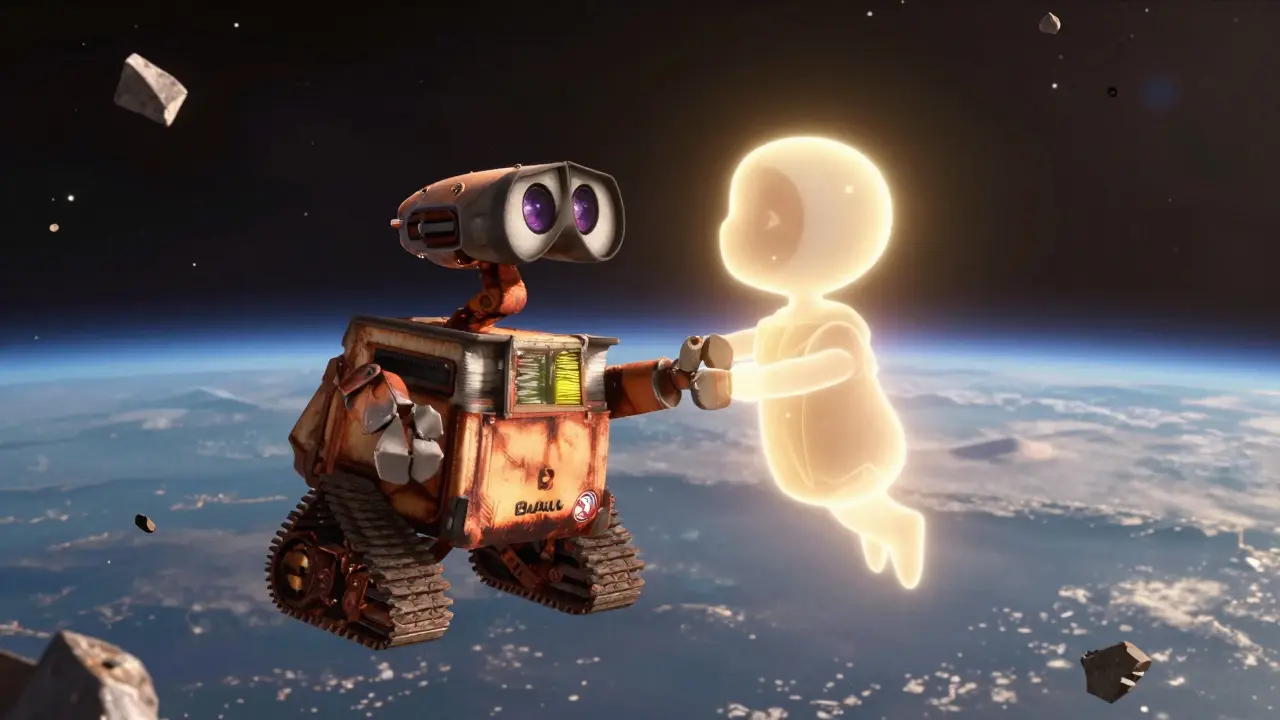
Wall-E, released in 2008, has no dialogue for the first 30 minutes. The robot doesn’t speak English. He doesn’t even have a name at first. He just moves. He collects, he sorts, he saves. He finds a plant. He finds a girl. And then, he falls in love.
There’s no kiss in the traditional sense. No confession. No slow-motion walk toward each other. Instead, Wall-E holds Eve’s hand as she floats in zero gravity. He curls around her like a shield when danger comes. He risks everything - his memory, his body, his very existence - just to protect her. And she does the same for him.
That’s the core of their romance: action over speech. Pixar didn’t need love songs or candlelit dinners. They used movement, timing, and silence to show something deeper than attraction - devotion. When Wall-E’s eyes light up at the sight of Eve’s glow, you don’t need a script to know what he’s feeling. The animation does it all.
It works because it’s simple. Love isn’t always loud. Sometimes it’s a hand reaching out in the dark. Sometimes it’s saving a single plant because you know it matters to someone else. Wall-E proved that animation isn’t just for kids. It’s for anyone who’s ever loved quietly.
Your Name: Love Across Time and Space
Seven years after Wall-E, Makoto Shinkai’s Your Name (2016) took romance animation to another level. This isn’t a story about two people meeting. It’s about two strangers - a boy in rural Japan and a girl in Tokyo - who suddenly wake up in each other’s bodies. They don’t know why. They don’t know how. But they start leaving notes. They start caring.
Their connection grows through tiny, real moments: a girl learning to tie a boy’s shoelaces, a boy learning to braid a girl’s hair. They laugh at each other’s lives. They cry over each other’s losses. And then, time fractures. The comet hits. One of them disappears.
What follows isn’t a magical fix. It’s a desperate, painful chase across memory, geography, and time. The boy runs through ruins. The girl draws symbols she doesn’t understand. They both feel something missing - a name, a face, a voice - but they can’t remember why. The film’s emotional power comes from that ache: the feeling of loving someone you can’t quite recall.
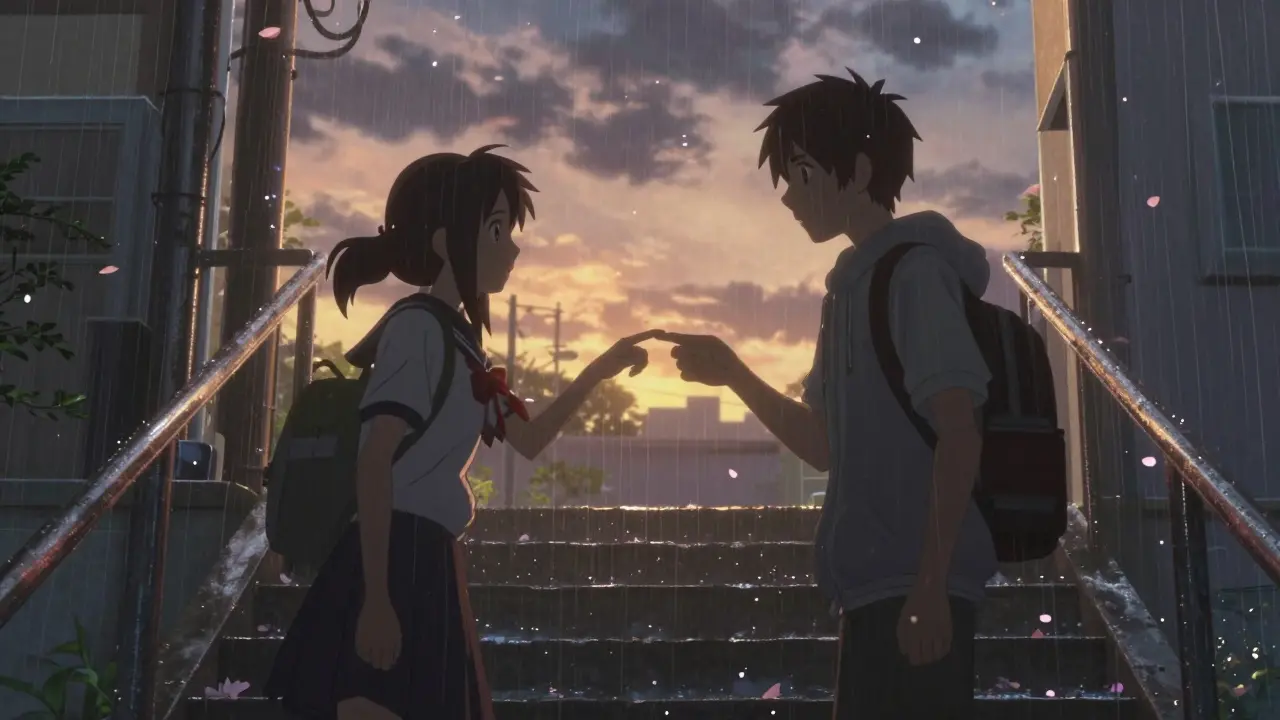
Shinkai doesn’t use music to tell you how to feel. He lets the silence between heartbeats speak. When the two finally meet, years later, on a staircase, they don’t say, "I love you." They ask, "Have we met before?" And then - quietly - they smile. That moment lasts longer than any grand declaration. It’s not about grand gestures. It’s about the weight of a shared past you can’t name.
Why Animation Works for Romance
Real actors have limits. They blink too fast. They forget lines. They can’t float in space or teleport through time. Animation doesn’t have those rules. It can stretch emotion to its breaking point and still hold it together.
Take the way Eve’s eyes widen when she sees Wall-E’s tiny hand holding the plant. No human actress could make that moment feel so monumental with just a blink. Or how the rain in Your Name doesn’t just fall - it shimmers, glows, and echoes with memory. Animation turns feelings into visuals you can’t ignore.
It also removes distractions. No actor’s age, no body type, no accent. You’re not judging a character’s looks. You’re feeling their heart. That’s why so many people say they’ve fallen in love with animated characters. It’s not about fantasy. It’s about clarity.
When you watch a live-action romance, you’re often distracted by the realism - the awkwardness, the flaws, the messy human noise. Animation strips that away. What’s left is pure emotional truth.
Other Animated Romances That Hit Hard
Wall-E and Your Name aren’t alone. There’s a quiet tradition of animated love stories that stick with you long after the credits roll.
- Howl’s Moving Castle (2004): A cursed woman and a war-weary wizard find peace not in grand declarations, but in shared silence and small acts of kindness. Their love grows in the kitchen, not the castle.
- The Iron Giant (1999): A boy and a giant robot bond over the idea of choice - and the courage to be different. Their friendship becomes a quiet, devastating love story about sacrifice.
- Amélie (2001, hybrid animation): While not fully animated, its painterly style and whimsical tone make it feel like a love story drawn from a dream. Love here is in finding someone who notices the same small things you do.
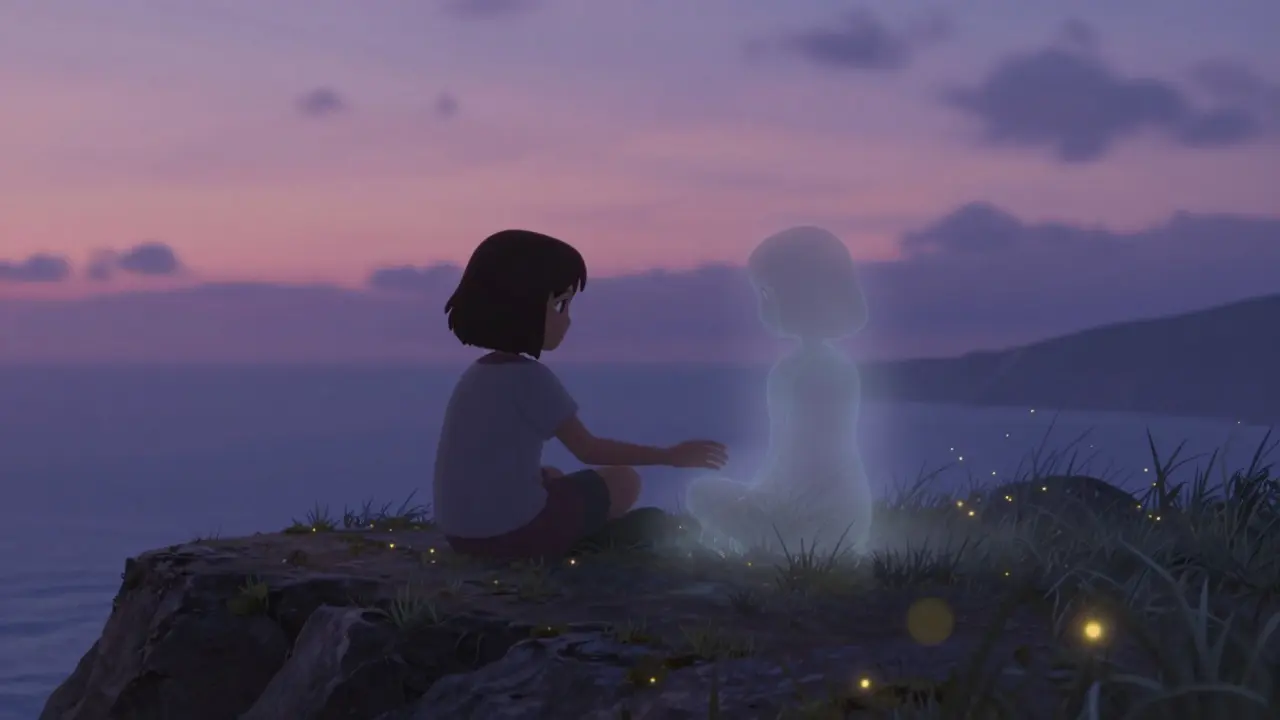
- When Marnie Was There (2014): A lonely girl finds a friend in a ghostly girl on the coast. Their bond isn’t romantic in the traditional sense, but it’s one of the most tender portrayals of emotional healing through connection.
These films don’t follow the same formula. No meet-cutes. No third-act declarations. No songs. Just people - or robots, or ghosts - learning to be seen.
What Makes an Animated Romance Last
Not all animated love stories work. Some feel forced. Some rely too much on clichés. The ones that stick - the ones that become part of your emotional landscape - share three things:
- They show love through action, not speech. Wall-E doesn’t say "I love you." He saves Eve’s life. Your Name doesn’t explain the bond. The characters just know it’s there.
- They embrace silence. The pauses between words are where the real emotion lives. Animation lets you sit in that quiet.
- They make the impossible feel real. Body-swapping? A robot falling in love? A comet changing fate? It all works because the feelings underneath are universal.
These stories don’t need to be perfect. They just need to be true.
Why We Keep Coming Back
Life is messy. Love is messy. But in animation, love can be pure. It can be quiet. It can be patient. It can be a single hand reaching out in the dark - and being answered.
Wall-E and Your Name aren’t just movies. They’re reminders. That love doesn’t need words. That connection can survive even when memory fails. That sometimes, the most profound romance isn’t found in grand gestures - but in the smallest, quietest acts of care.
Maybe that’s why we watch them again and again. Not because we want to escape reality. But because, for a little while, animation lets us feel what real love looks like - without all the noise.
Why are animated romances so emotional?
Animated romances strip away real-world distractions like appearance, voice, or social norms. They focus purely on emotion through movement, color, and silence. Without actors to distract us, we connect directly with the characters’ inner lives. Wall-E’s quiet devotion or the silent longing in Your Name feel more real because they’re not filtered through human imperfection.
Is Wall-E really a love story?
Yes. It’s one of the purest love stories ever made. There’s no dialogue, no kiss, no song - just a robot who risks everything to protect someone he barely understands. His love is shown through actions: saving her, carrying her, holding her hand in space. It’s not romantic in the traditional sense, but it’s deeply, undeniably loving.
What makes Your Name different from other romance films?
Your Name doesn’t follow a typical romance arc. The two leads don’t meet until the very end, and even then, they don’t remember each other. The story is built on memory, loss, and a mysterious connection that survives time and disaster. The emotion comes from the ache of feeling you know someone - but not knowing why. That’s what makes it unforgettable.
Are animated romances only for anime fans?
No. While Your Name is Japanese animation and Wall-E is Pixar, both films appeal far beyond genre fans. They use universal emotions - longing, loss, connection - that don’t need cultural context. You don’t need to understand Japanese customs to feel the weight of the final staircase scene. You just need to have ever loved someone you couldn’t hold onto.
Can animation make love feel more real than live-action?
Sometimes, yes. Live-action films often rely on chemistry between actors, which can be unpredictable. Animation lets the creators control every detail - the tilt of a head, the glow of an eye, the way light falls on a hand. That control lets emotion be amplified, not diluted. In animation, love isn’t performed - it’s drawn from the soul.
If you’ve ever sat through a rainy afternoon and felt like someone out there was feeling the same thing you were - even if you didn’t know them - then you already know what these movies are about. You don’t need to be a film buff. You just need to have loved. Or lost. Or hoped.