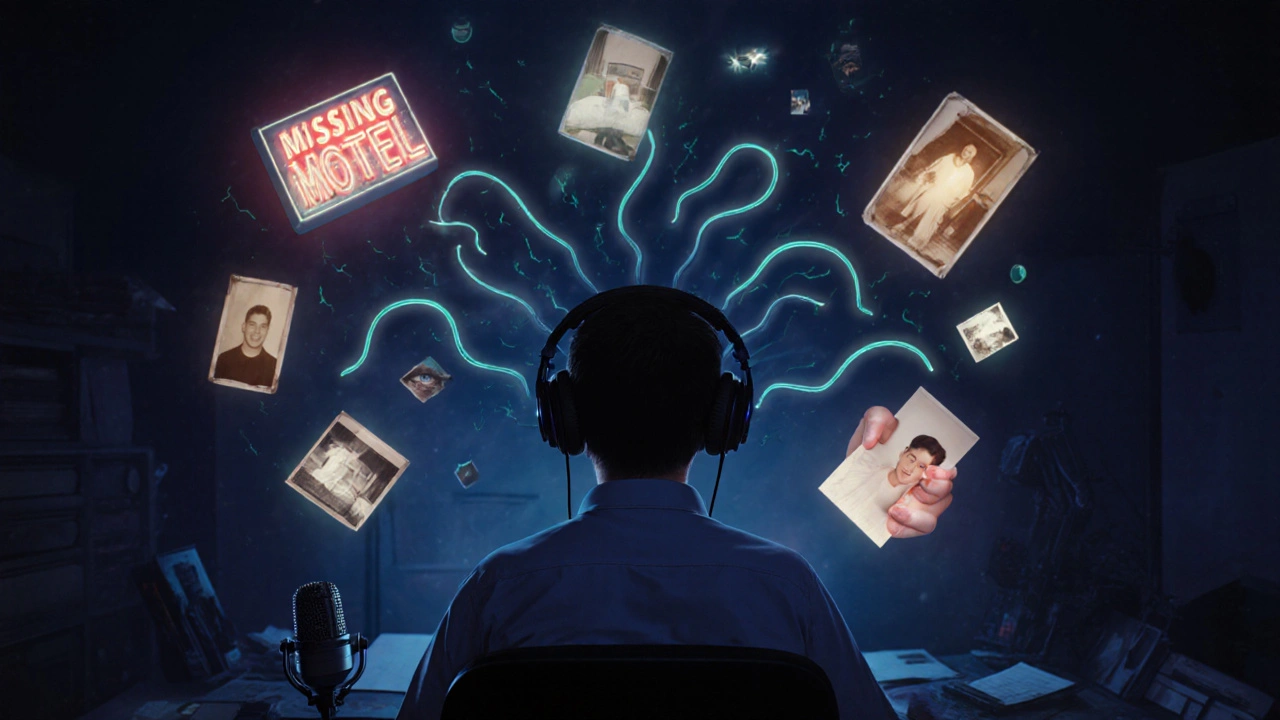
Audio Investigation: Truth, Sound, and the Power of Listening
When you hear something that shouldn’t be there—a pause that’s too long, a voice that’s been edited, a background noise that doesn’t belong—you’re witnessing an audio investigation, the process of analyzing sound to uncover facts, expose deception, or reveal hidden stories. Also known as forensic audio, it’s not just about clarity. It’s about context. It’s about what silence says when the words stop. This isn’t Hollywood. Real audio investigations don’t rely on zoom-and-enhance magic. They use waveform patterns, frequency analysis, and acoustic fingerprinting to answer simple but brutal questions: Is this real? Who spoke? When was this recorded?
These techniques show up everywhere. In documentary audio, the raw, unfiltered recordings that give truth its voice, like the hidden mic in a protest or the voicemail left by someone who didn’t make it home. They’re used in sound analysis, the science of breaking down audio to detect tampering, identify locations, or match voices by journalists, investigators, and even filmmakers trying to prove a moment happened exactly as claimed. And in audio evidence, the kind that ends up in courtrooms, shaping verdicts when no one else saw what happened, a single crackle in a recording can undo a confession or confirm a crime.
What makes audio investigation so powerful is how quiet it is. No cameras. No witnesses. Just sound—raw, unedited, and often unintentionally revealing. A door closing too late. A breath held too long. The hum of a fridge that doesn’t match the claimed location. These aren’t details. They’re evidence. And they’re everywhere in the films and stories you’ll find here: in the whispered confessions of indie docs, the manipulated interviews that challenge truth, the ambient noise that tells more than the dialogue ever could. This collection doesn’t just show you audio investigations—it shows you how sound becomes proof. And how, sometimes, the most important thing you hear is the thing no one meant to say.
Turning a podcast into a documentary isn’t about adding pictures to audio. It’s about rewriting the story for the eye, not the ear. Here’s how to make the shift without losing the truth.
View More