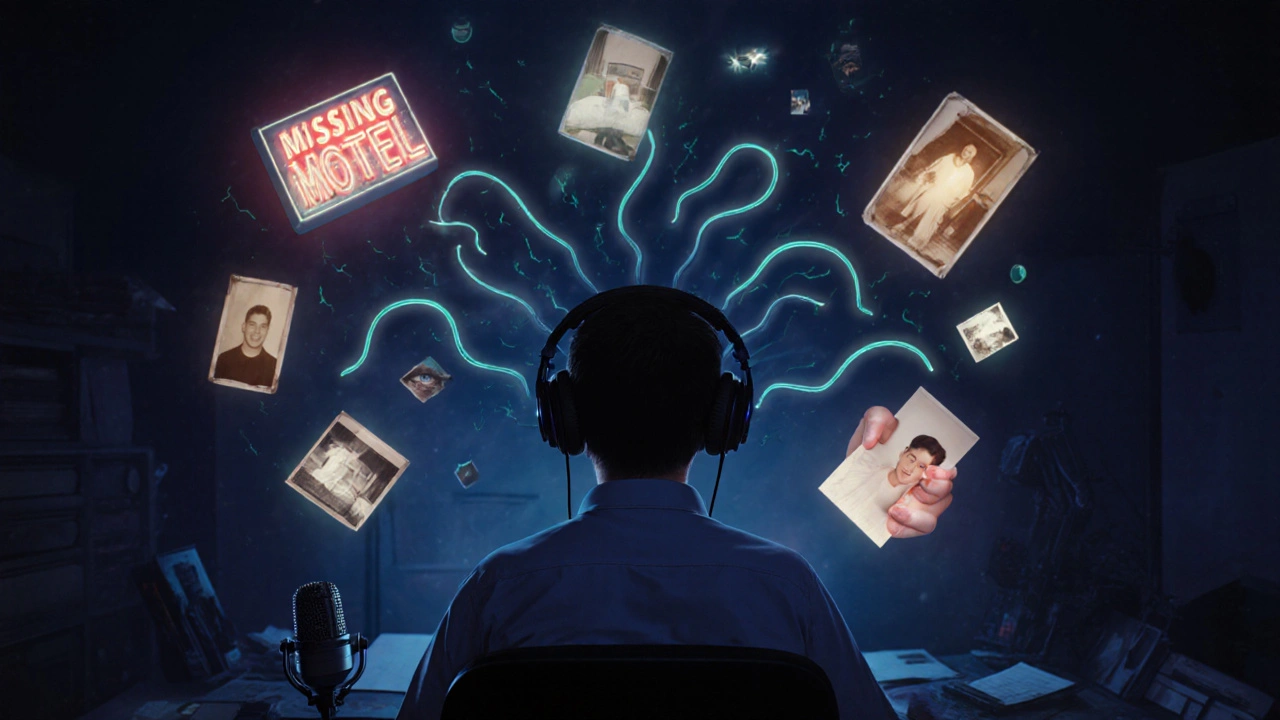
Audio Storytelling Film: How Sound Shapes Narrative in Indie Cinema
When we talk about audio storytelling film, a form of cinema where sound carries the narrative weight instead of dialogue or visuals. Also known as sound-driven cinema, it’s not just background music—it’s the heartbeat of the story. Think of a film where you close your eyes and still know exactly what’s happening: a creaking floorboard, a distant train whistle, the muffled sobs of someone trying not to cry. That’s audio storytelling film at work. It doesn’t need wide shots or big reveals. It just needs the right sound at the right time to make you feel something real.
What makes this style so powerful in indie cinema? sound design, the art of crafting and layering audio elements to build mood, time, and emotion becomes the director’s main tool. Unlike big-budget films that rely on explosions and orchestras, indie filmmakers use silence, ambient noise, and even the rustle of clothing to tell stories. immersive audio, audio that pulls you into the character’s world through binaural recording, spatial sound, or 3D mixing turns headphones into portals. You’re not watching a character walk through a rain-soaked alley—you’re there, feeling the drops hit their coat, hearing their breath quicken. This isn’t fancy tech—it’s emotional precision.
And it’s not just about being quiet. narrative sound, audio cues that directly advance plot or reveal character intent can do more than exposition. A ticking clock isn’t just tension—it’s a countdown to a decision. A child’s lullaby played backward? That’s not a glitch. That’s a memory breaking. These films often strip away dialogue to force you to listen harder, to notice what’s missing, what’s hidden. You start paying attention to breath, to footsteps, to the way a door closes—not because it’s loud, but because it means something.
That’s why you’ll find audio storytelling film thriving at festivals like Scruffy City Film Fest. It’s raw. It’s risky. It doesn’t need stars or special effects. It just needs someone who knows how to listen—and how to make you listen too. Below, you’ll find a collection of posts that explore how sound shapes movies, what tools filmmakers use, and why some of the most unforgettable scenes in indie cinema happen when the screen goes dark but the audio keeps talking.
Turning a podcast into a documentary isn’t about adding pictures to audio. It’s about rewriting the story for the eye, not the ear. Here’s how to make the shift without losing the truth.
View More