
When you watch a movie and feel something-tension, awe, sadness-without a single word being spoken, that’s cinematography at work. It’s not just about what’s in the frame, but how it’s framed. The way light falls on a character’s face, the slow push-in before a reveal, the shaky handheld shot that makes you feel like you’re running alongside them-these aren’t accidents. They’re choices. And learning to write about them is how you move from saying cinematography is beautiful to explaining why it works.
What Cinematography Really Is (And What It’s Not)
Cinematography isn’t the same as directing. It’s not editing. It’s not the script. It’s the visual storytelling done by the director of photography (DP) and their team. Think of it as the camera’s voice. While the director decides what the story is, the DP decides how the audience sees it. A close-up of eyes can scream fear. A wide shot of an empty hallway can scream loneliness. The same scene, shot differently, becomes a different movie.
Some people think good cinematography means flashy lens flares or slow-motion rain. But the best cinematography often goes unnoticed. In The Revenant, the natural light and long takes made you feel the cold, the exhaustion, the rawness. No one talked about the camera gear. They just felt it. That’s the goal.
The Five Building Blocks of Visual Language
To write about cinematography, you need to speak its language. There are five core elements that every shot relies on:
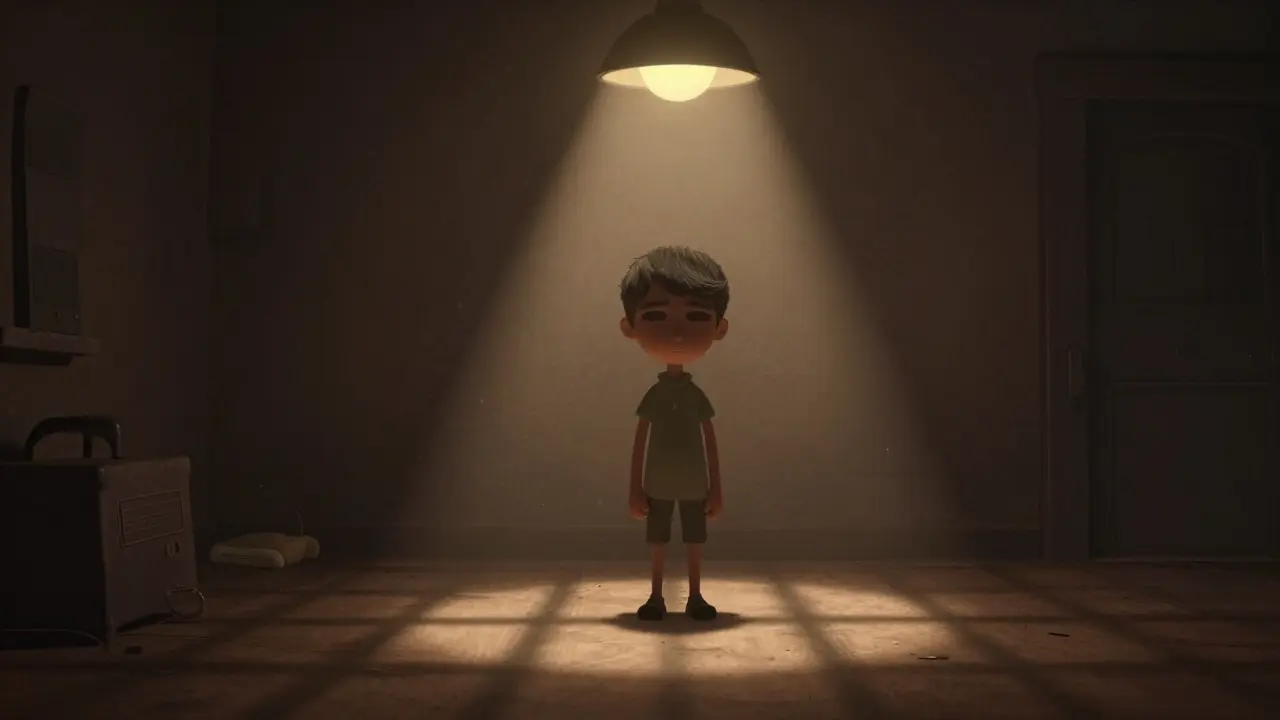
- Lighting-Is it harsh and high-contrast, like in film noir? Or soft and diffused, like in a romantic drama? Lighting shapes mood. A single lamp in a dark room isn’t just illumination-it’s isolation.
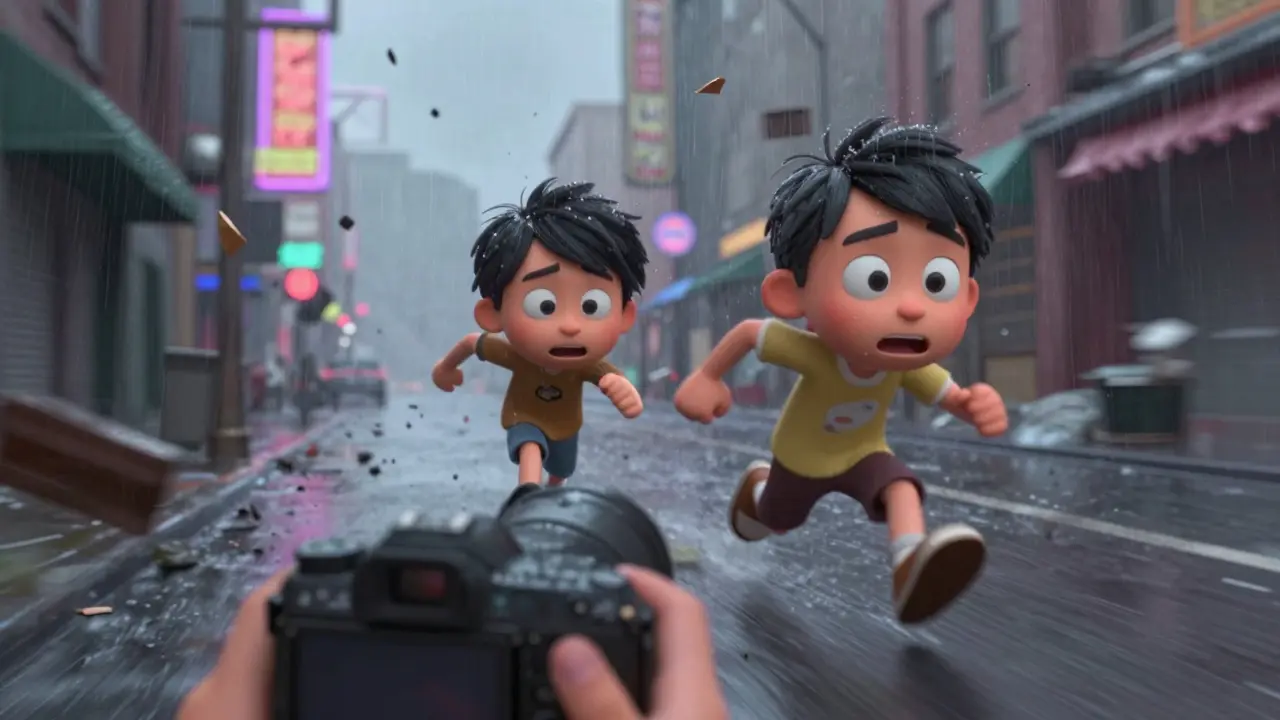
- Camera Movement-A steady tripod shot feels calm. A handheld shake feels urgent. A dolly-in can feel intimate. A crane shot can feel epic. Movement tells the audience how to feel about what they’re seeing.
- Shot Composition-Where is the subject placed? Centered for power? Off to the side for unease? The rule of thirds isn’t a rule-it’s a tool. Breaking it can be more powerful than following it.
- Lens Choice-A wide-angle lens stretches space and distorts edges. A telephoto lens flattens depth and pulls backgrounds closer. A 50mm lens? It’s closest to how the human eye sees. That’s why it’s used for realism.
- Color and Texture-Color grading isn’t just making things look pretty. Blue tones in Blade Runner 2049 weren’t just aesthetic-they signaled emotional coldness. Grainy film stock in The Irishman wasn’t nostalgia-it was memory.
When you write about a scene, don’t say, “The shot was beautiful.” Say: “The low-key lighting carved the character’s face in shadow, hiding their expression while the single overhead bulb cast a prison-bar pattern across the floor-making the room feel like a cage even when they weren’t locked in.” That’s visual language.
How to Watch Like a Cinematographer
You can’t write about cinematography if you’re only watching for plot. To train your eye, watch a scene three times:
- First, watch for the story. What happened?
- Second, watch for the camera. Where did it start? Where did it end? Did it move? Why?
- Third, watch for the silence. What did the lighting or color tell you that the dialogue didn’t?
Try this with the opening of 1917. The single-take illusion isn’t a trick-it’s a promise. The camera never leaves the soldiers. You’re trapped with them. That’s not just technique. That’s emotional design.
Or watch the hallway fight in Oldboy. The long, unbroken shot isn’t there to show off. It’s there to make you feel the chaos, the disorientation, the exhaustion. You’re not watching a fight-you’re living it.
Common Mistakes When Writing About Cinematography
Most amateur reviews say things like:
- “The visuals were stunning.”
- “The cinematography was amazing.”
- “The colors were great.”
These say nothing. They’re empty praise. Writing about cinematography means being specific. Instead of “great lighting,” say: “The use of practical lamps-only real bulbs on set-created uneven shadows that made the characters feel trapped in their own homes.”
Another mistake: blaming the director for everything. The DP is the one who made the lighting choices, selected the lenses, decided the camera moves. Credit where it’s due. Mention names like Roger Deakins, Emmanuel Lubezki, or Rachel Morrison. Their work is the difference between a movie and a visual experience.
Examples That Teach
Take the diner scene in No Country for Old Men. The camera stays still. The characters talk. No music. No dramatic cuts. But the tension is unbearable. Why? Because the wide shot shows the entire space-the door, the windows, the empty chairs. You’re waiting for someone to walk in. The cinematography turns silence into suspense.
Or the opening of Children of Men. The camera follows the protagonist through a war-torn street in one 4-minute take. The chaos is real because the camera doesn’t cut away. You don’t see the stunt. You feel it.
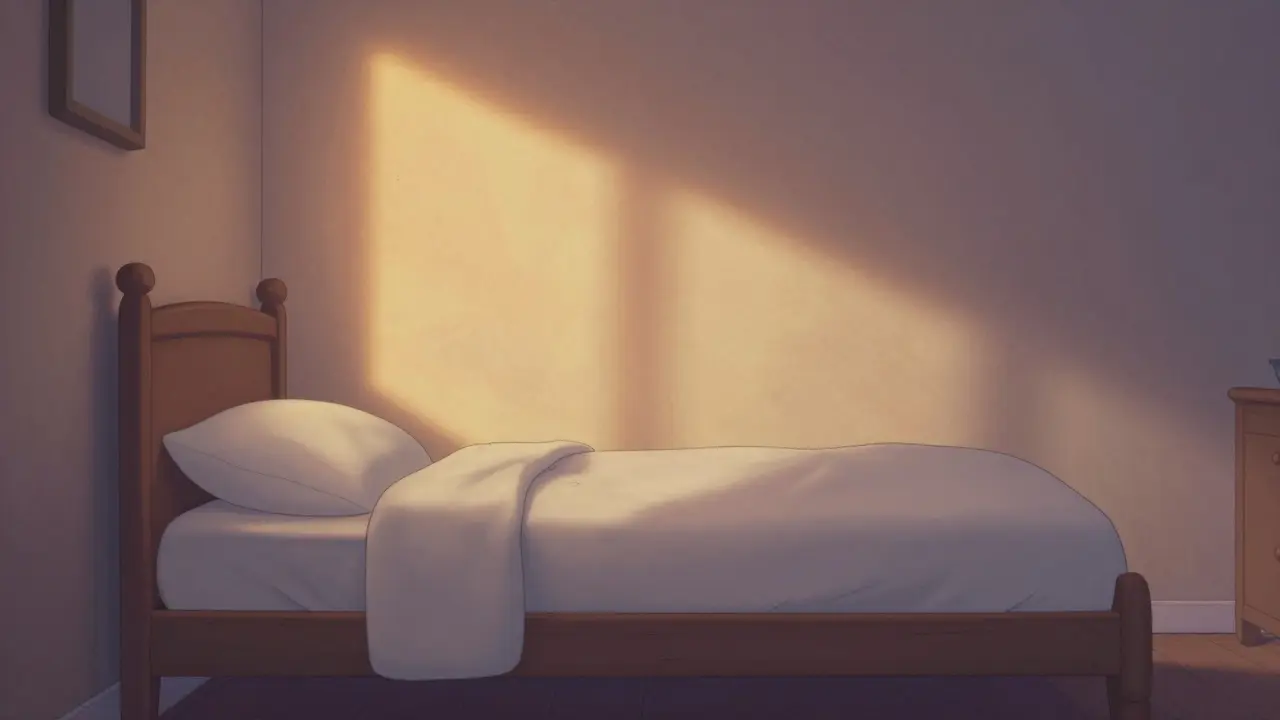
Even quiet films use cinematography powerfully. In A Ghost Story, the camera lingers on a bed for five minutes. No one speaks. No one moves. But the slow fade of light across the wall tells you everything about grief. Time passing. Memory fading. That’s the language.
How to Start Writing About It
You don’t need a film degree. You just need to ask better questions:
- What part of the frame is brightest? Why?
- Does the camera ever look directly at the character? Or does it stay at a distance?
- Is the color palette warm or cold? Does it change during the film?
- Is there a pattern to the shots? Do they get tighter as the tension rises?
Take notes while watching. Don’t wait until the credits roll. Write down what you see, not what you feel. Then go back and connect it to emotion. “The tight close-up on her hands trembling-not her face-made me realize she was hiding panic. The camera trusted her hands more than her words.”
Read reviews by critics who write about visuals-like Roger Ebert, David Bordwell, or the late Jonathan Rosenbaum. Notice how they describe light, space, and motion. Don’t copy them. Learn how they think.
Why This Matters
Cinematography isn’t decoration. It’s the soul of the film. A great script with bad lighting can fall flat. A weak story with brilliant visuals can still move people. When you learn to write about it, you’re not just reviewing a movie-you’re helping others see it differently.
Next time you watch something that stays with you, ask: What did the camera do that made me feel this way? That’s where real writing begins.
What’s the difference between cinematography and photography?
Photography captures a single moment. Cinematography is a sequence of moments designed to tell a story over time. A photograph can be beautiful on its own. A cinematic shot only works in context-with what came before and what comes after. It’s about rhythm, movement, and emotional progression.
Do I need expensive gear to understand cinematography?
No. You don’t need a cinema camera to learn how light shapes emotion. Watch films on a phone. Pause scenes. Look at how shadows fall. Notice how a character’s face changes when the light shifts. The tools matter less than your attention. Many great DPs started by studying still photos and silent films.
Can a film have great cinematography but a bad story?
Yes. Films like The Tree of Life or Stalker have visuals that linger long after the plot fades. But great cinematography alone doesn’t make a great film-it makes a memorable one. The best films balance both. The visuals serve the story, not the other way around.
What are some beginner-friendly films to study cinematography?
Start with films that use clear, deliberate visuals: Se7en for lighting and mood, 1917 for long takes, Parasite for composition and color symbolism, Blade Runner 2049 for color grading and scale, and The Grand Budapest Hotel for symmetry and framing. Each uses one or two techniques in a way that’s easy to spot and analyze.
How do I know if a shot is intentionally composed or just lucky?
Look for repetition. If the same framing, lighting, or movement shows up multiple times in the film, it’s intentional. A single perfect shot might be luck. A pattern across scenes is design. Also, check interviews with the DP. Most will explain their choices if you look.