Choosing the right show for your 5-year-old isn’t the same as picking one for your 14-year-old. Yet many parents scroll through Netflix, Disney+, or YouTube Kids hoping something just fits-without thinking about what’s actually on screen. It’s not just about violence or language. It’s about development, emotional readiness, and how content shapes their understanding of the world.
What Makes Content Age-Appropriate?
Age-appropriate isn’t just a label. It’s about matching a child’s cognitive, emotional, and social stage with what they’re watching. A 3-year-old doesn’t need complex plot twists. They need repetition, clear cause-and-effect, and simple emotions. A 10-year-old can handle mild suspense, moral dilemmas, and character growth. A 16-year-old? They’re ready for nuanced themes like identity, peer pressure, or systemic injustice-but still need guidance on how to process it.The American Academy of Pediatrics recommends no screen time under 18 months, except video chatting. Between 18 and 24 months, only high-quality content with a caregiver present. By age 2, one hour a day of educational programming is fine. After age 6, it shifts from how much to what kind.
Shows for Toddlers (Ages 1-4)
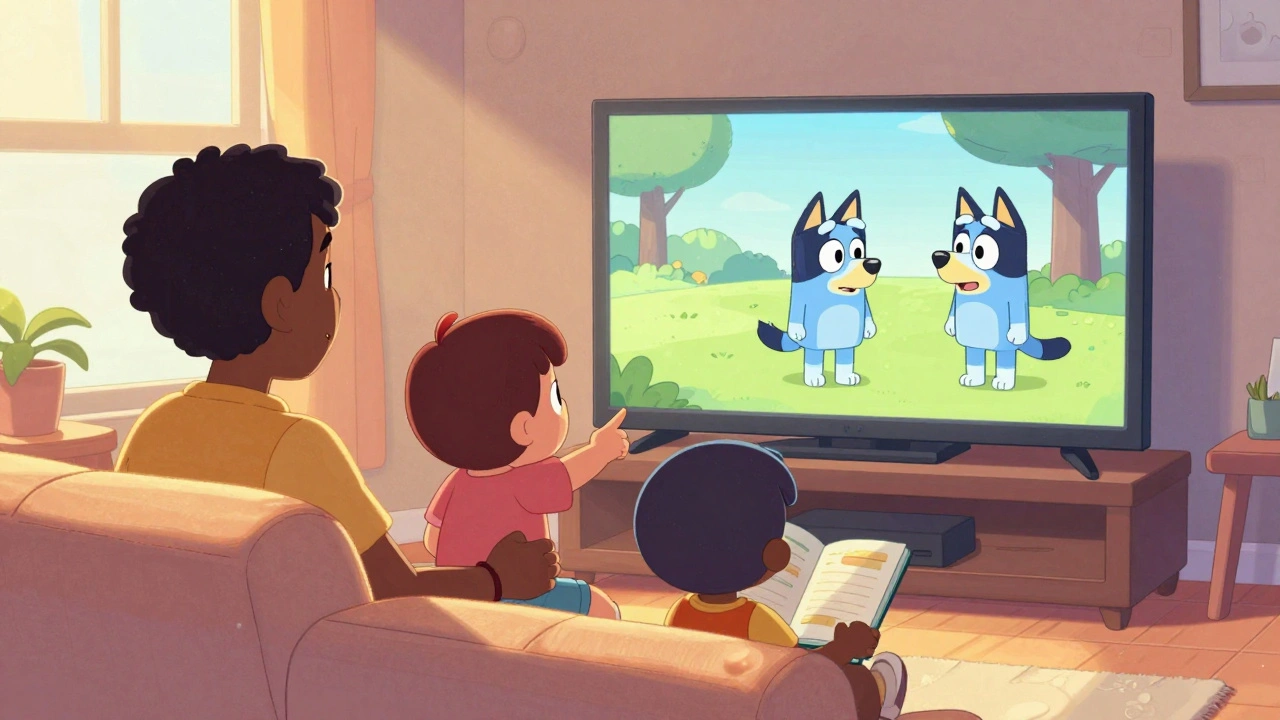
This age group learns through repetition, rhythm, and predictable patterns. Shows like Bluey, Peppa Pig, and Care Bears: Welcome to Care-a-Lot work because they model everyday interactions-sharing toys, dealing with frustration, saying sorry. No fast cuts. No loud sound effects. No villains to fear.Look for shows with:
- Slow pacing (no scene changes under 10 seconds)
- Clear emotional cues (facial expressions, tone of voice)
- Real-life situations (bath time, bedtime, going to the park)
- No ads or product placement
Avoid anything with fantasy violence-even cartoonish. A character getting hit with a pie is fine. A character getting chased by a monster? That’s too much. Their brains aren’t wired to separate pretend from real yet.
Shows for Young Kids (Ages 5-8)
Now they’re learning to read, understand rules, and ask “why?” Shows like Arthur, Odd Squad, and Wild Kratts teach problem-solving, empathy, and basic science without lecturing. These programs often include humor that adults get too-like Arthur’s sarcastic teacher or Odd Squad’s absurd bureaucracy-but it’s never mean-spirited.At this age, kids start mimicking behavior. If a character solves conflict by yelling, they’ll try it at school. If a character shares, they’ll copy that too. That’s why shows with positive social modeling matter more than ever.
Good signs:
- Characters resolve conflicts with words, not force
- Emotions are named and validated (“I feel sad because…”)
- Questions are encouraged, not shut down
- Stories end with closure, not cliffhangers
Shows for Tweens (Ages 9-12)
Tweens are starting to form their own opinions. They want stories that feel real, not childish. That’s why Avatar: The Last Airbender, Gravity Falls, and Amphibia work so well. These shows tackle friendship, loss, courage, and identity-but wrap them in adventure and humor.They can handle mild peril, but not graphic violence. They can follow multi-episode arcs, but still need clear moral lines. Shows like Stranger Things might seem tempting, but the dark tone, jump scares, and mature themes (alcohol, government experiments) are too intense for most 10-year-olds.
Watch for these red flags:
- Characters being bullied without consequences
- Parents portrayed as clueless or absent
- Beauty standards or body shaming
- Excessive sarcasm or cynicism
Ask your child: “Did anyone in the show make you feel uncomfortable?” If they hesitate, dig deeper. They might not know how to name it yet.
Shows for Teens (Ages 13-17)
Teens are ready for complexity. They can handle shows like My So-Called Life, Sex Education, BoJack Horseman, or Never Have I Ever-but they need context. These shows don’t just entertain; they challenge. They show mental health struggles, sexual identity, family dysfunction, and societal pressure.That’s good. But only if you’re watching with them-or at least talking about them afterward.
Here’s what to look for:
- Does the show show consequences for actions? (Not just drama for drama’s sake)
- Are diverse perspectives represented without stereotypes?
- Is there a balance between realism and hope?
Don’t assume they’re fine just because they’re quiet. A teen who watches Euphoria every night might be processing trauma they won’t talk about. Ask open questions: “What part of that felt true to you?” Not “Did you like it?”
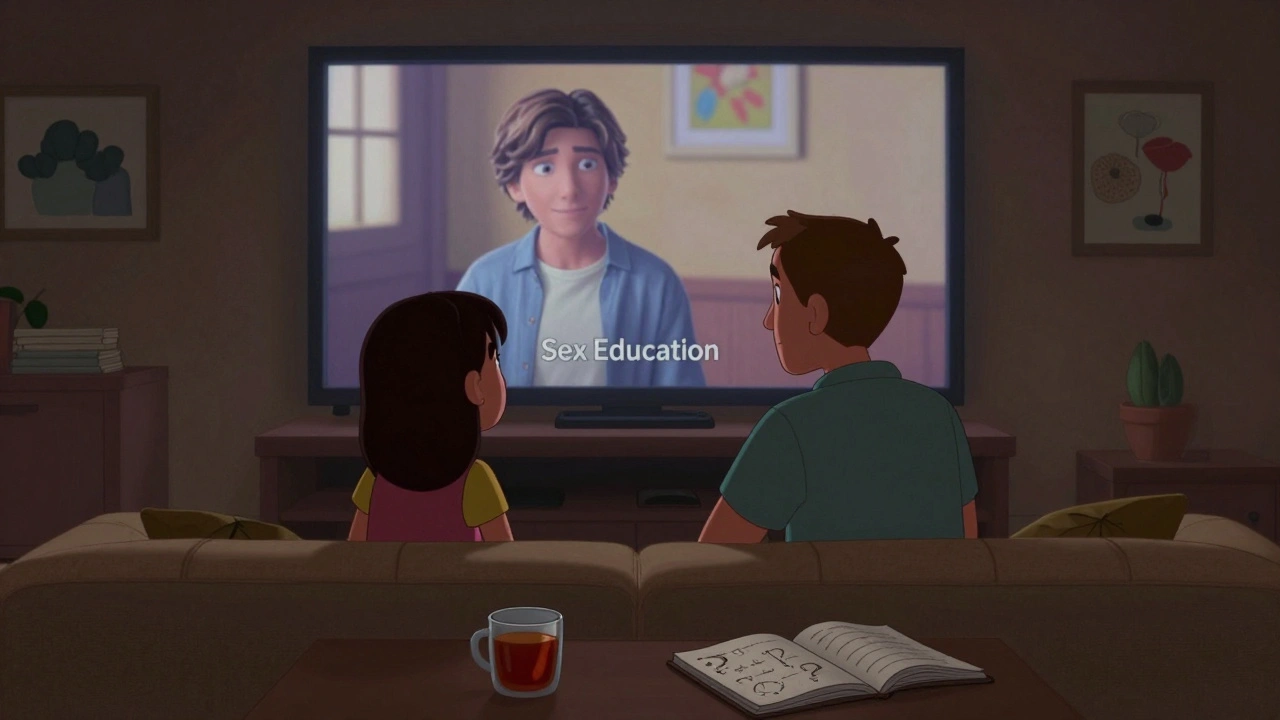
How to Use Parental Controls Right
Parental controls aren’t a magic shield. They’re a starting point. Netflix lets you set profiles with age ratings, but if your 11-year-old switches to the adult profile, you won’t know unless you check.Here’s what actually works:
- Create a separate profile for each child with their age set correctly
- Turn on PIN protection for profile switching
- Use Disney+’s “Kids Mode” or YouTube Kids’ content filters
- Check what’s been watched weekly-not just what’s blocked
- Don’t rely on ratings alone. A PG-13 movie might have one scene that’s too much
Some parents use apps like Qustodio or Bark to monitor activity. Others just sit on the couch and watch with their kids. The second one works better. Screen time isn’t the enemy. Unsupervised screen time is.
When to Let Go
By 15, your teen should be making more of their own choices. But that doesn’t mean stepping away. It means shifting from controlling to guiding. Ask: “What did you learn from that show?” Not “Why are you watching that?”Let them pick something controversial. Watch it with them. Then talk. Not to judge. To understand. That’s how you build trust-and help them think critically about what they consume.
There’s no perfect list of shows that work for every family. But there is a better way: know your child. Know what they’re ready for. And don’t be afraid to say no-even if everyone else is watching it.